

As winter approaches and temperatures begin to drop, it may seem like gardening has come to a halt. However, November is an ideal time to plant certain perennials, shrubs, trees and hedging plants, allowing their roots to establish before the growing season begins in spring. With the right plant choices and a little preparation, you can continue to make improvements to your garden even as the colder weather sets in.
If you’re wondering what to plant in November, there are plenty of options to consider, from hardy perennials that provide early spring colour to fragrant winter-flowering shrubs and bare-root trees that will bring lasting interest to your outdoor space. November is also a good time to prepare your garden for winter, protect vulnerable plants from frost and carry out essential maintenance tasks.
In this article, we’ll explore some of the best plants to introduce to your garden in November, offer practical advice on planting successfully in colder weather and share essential garden care tips to help keep your outdoor space healthy and ready for spring.

5 Perennials and Shrubs to Plant in November
November is the perfect time to plant hardy perennials and shrubs that can handle the winter chill and will thrive once spring arrives. Here are five excellent options to consider:
- Hellebores
- Lavender
- Heuchera
- Viburnum
- Winter Honeysuckle

1. Hellebores
Hellebores are evergreen perennials known for their stunning, nodding flowers that bloom in late winter or early spring, often in shades of white, pink, and purple.
Benefits: They bring early colour to your garden when little else is in bloom and are highly resistant to frost. Hellebores prefer to be planted in well-drained soil with plenty of organic matter. They prefer partial or full shade and need to be planted at the same depth they were in their pots. Water them well after planting, and add a layer of mulch to protect the roots during the colder months.
2. Lavender
Lavender is a hardy shrub that’s easy to grow and works well in borders or containers. Lavender adds fragrance, and attracts pollinators like bees, and its silvery foliage can provide interest throughout the winter. Lavender thrives in well-drained soil and full sun. When planting, ensure the roots are spread out and that the plant sits at the same depth as it was in its pot. Water it well initially but avoid waterlogging the soil. Mulching around the base can help protect against winter frosts.
3. Heuchera
Heucheras are low-growing perennials known for their striking foliage in colours like burgundy, lime green, and purple. They produce delicate, airy flower spikes in the summer.
Benefits: Their vibrant foliage adds year-round interest, and they thrive in shady spots, adding texture and colour to areas where other plants may struggle. Heuchera prefers to be planted in well-drained soil, ideally in a shaded or partially shaded area. Make sure to mulch around the base to help protect the root system from frost and water during dry periods in winter.
4. Viburnum
Viburnum is a versatile shrub that comes in various species, with some producing beautiful winter flowers and others bearing fruit. This shrub can offer year-round interest with its foliage, blooms, and berries, while also providing food for birds. Viburnum prefers full sun or partial shade and moist, well-drained soil. Plant it at the same depth as its container and mulch around the base to retain moisture and protect it from frost damage.
5. Winter Honeysuckle
This hardy shrub is famous for its fragrant, creamy white flowers that appear in late winter and early spring. Winter honeysuckle blooms in winter, bringing fragrance and life to the garden when little else is flowering. Plant this plant species in well-drained soil and in full sun or partial shade. It’s fairly low-maintenance but benefits from a light prune after flowering to keep its shape. Add mulch to protect the roots from harsh winter temperatures.

What Can You Plant in November? Bare-Root Trees, Shrubs and Hedges
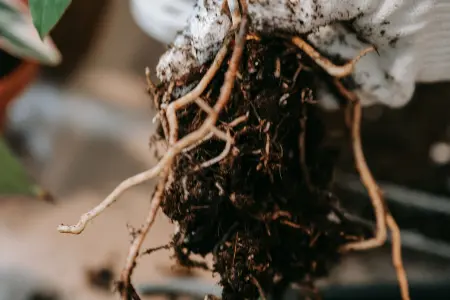
November marks the beginning of the bare-root planting season, making it an excellent time to introduce new trees, shrubs and hedging plants to your garden. Bare-root plants are grown in the ground and lifted during their dormant period, meaning they are supplied without a pot or surrounding compost. They are often more affordable than container-grown alternatives and can be a great option for filling borders, creating privacy or establishing new hedgerows.
Some popular bare-root plants to consider planting in November include:
- Hawthorn (Crataegus monogyna): A hardy, native hedging plant that provides shelter and nesting opportunities for birds, as well as flowers for pollinators in spring.
- Beech (Fagus sylvatica): A popular choice for creating a formal or informal hedge, with attractive green foliage that turns coppery brown in autumn.
- Dogwood (Cornus sanguinea): A useful deciduous shrub for wildlife-friendly gardens, with attractive autumn foliage and colourful stems in winter.
- Fruit trees: Many bare-root apple, pear and plum trees can be planted during the dormant season, giving their roots time to establish before spring growth begins.
When planting bare-root trees and shrubs, it is important to keep their roots moist and plant them as soon as possible after delivery. Dig a hole wide enough to accommodate the roots comfortably, spread them out naturally and backfill with soil, ensuring the plant sits at the correct depth. Water thoroughly after planting and apply a layer of mulch around the base to help retain moisture and suppress weeds.
Bare-root planting is best carried out while plants are dormant and the soil remains workable. Avoid planting when the ground is frozen, waterlogged or excessively dry. By choosing suitable plants and preparing the soil properly, November can be a productive time to establish the foundations for a thriving garden.
November Gardening in Norfolk: What Should You Consider?
Gardening in Norfolk presents its own set of considerations, particularly as the weather becomes colder and more unpredictable towards the end of autumn. From exposed gardens that experience strong winds to periods of dry weather and heavy rainfall, understanding your garden’s conditions is essential when deciding what to plant in November.
Choose plants suited to your garden’s conditions
Not every plant will thrive in every garden. Exposed sites may benefit from hardy shrubs and perennials that can tolerate wind, while shaded borders require plants suited to lower light levels. Before planting, consider how much sunlight the area receives, whether the soil drains freely and how exposed the garden is to the elements.
Pay attention to soil moisture and drainage
Although November often brings wetter weather, Norfolk gardens can still experience dry periods. Check the soil before planting rather than assuming it is sufficiently moist. Newly planted trees, shrubs and perennials may need watering during dry spells, even as temperatures fall.
At the same time, avoid planting into waterlogged soil, as poor drainage can reduce the amount of oxygen available to roots and increase the risk of root damage. If your soil is heavy, consider improving its structure where appropriate before introducing new plants.
Protect new plants from wind and frost
Cold winds can dry out foliage and disturb newly planted specimens before their roots have established. Water plants thoroughly after planting and use an organic mulch around the root zone to help regulate soil moisture and temperature. Keep the mulch away from direct contact with plant stems and trunks to reduce the risk of rot.
It is also worth remembering that warmer autumns do not mean winter protection is no longer necessary. Sudden drops in temperature can still damage tender plants, so keep an eye on the forecast and protect vulnerable specimens when required.
By considering your garden’s individual conditions, you can make better planting choices and give new additions the best possible start. Selecting suitable plants for Norfolk’s climate and your particular garden can help create a more resilient, attractive outdoor space throughout the year.
Plants Needing Extra Care in November
While November is a good time to plant many hardy varieties, some plants in your garden may need extra protection as temperatures drop and the risk of frost increases. Understanding which plants are more vulnerable to cold weather will help you protect them and encourage healthy growth when spring arrives. Alongside considering what to plant in November, it’s equally important to prepare existing plants for the winter months. Here are three types of plants that may require additional care.
Dahlias
Dahlias are sensitive to frost, and their tubers may need to be lifted and stored indoors over winter, particularly in areas where the ground becomes very cold or waterlogged. After the first frost has blackened the foliage, cut back the stems and carefully lift the tubers using a garden fork, taking care not to damage them. Remove excess soil and allow the tubers to dry for a few days in a frost-free, well-ventilated place.
Once dry, store them in a cool, dark and frost-free location, such as a shed or garage that remains above freezing. They can be wrapped in newspaper or placed in a tray of dry compost or sand to help prevent them from drying out. Check them occasionally throughout winter and remove any tubers showing signs of rot. In milder, well-drained gardens, some dahlias may survive in the ground with a thick layer of mulch, although lifting them offers greater protection in colder conditions.
Roses
Roses are generally hardy, but strong winds, frost and fluctuating winter conditions can still cause damage. Applying a layer of organic mulch, such as garden compost or well-rotted manure, around the base can help protect the roots, retain moisture and improve soil structure. Keep the mulch clear of the main stems to reduce the risk of rot.
Avoid carrying out heavy pruning in November, as this can encourage vulnerable new growth or leave plants more exposed to winter weather. Instead, remove dead or diseased material and shorten particularly long stems if necessary to reduce the risk of wind damage. More substantial pruning is usually best left until late winter or early spring, depending on the type of rose. Newly planted or vulnerable roses may also benefit from additional protection during severe weather.
Tender Perennials
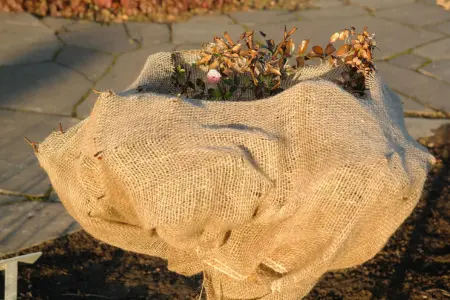
Tender perennials, such as fuchsias and pelargoniums, are more susceptible to frost damage than hardy garden plants. Before temperatures drop significantly, move potted specimens into a frost-free greenhouse, conservatory or other suitable sheltered space. Reduce watering during winter, allowing the compost to dry slightly between waterings, as plants generally require less moisture when growth slows.
If plants are too large to move, consider protecting them with horticultural fleece during particularly cold spells, provided their growing conditions allow it. Containers can also be wrapped in insulating materials, such as bubble wrap, to help protect the roots from freezing temperatures. Where possible, raise pots slightly off the ground to improve drainage and prevent them from sitting in water.
Taking these precautions in November can help vulnerable plants survive winter and return in good condition the following growing season.

Garden Maintenance Tasks for November
As the gardening season winds down, November is the perfect time to prepare your garden for the winter months ahead. A little maintenance now can help protect your plants, improve soil health and make it easier to get your garden back into shape when spring arrives. Here are three key tasks to focus on this month.
Clear Fallen Leaves
Rake up fallen leaves from lawns, paths and areas where they may smother low-growing plants or block drainage. Leaving a thick layer of leaves on your lawn can restrict light and airflow, potentially causing damage to the grass. However, you don’t need to remove every leaf from your garden. Gather them up and use them to make leaf mould, a valuable soil conditioner that can be added to borders in the future. You can also leave some leaves in suitable sheltered areas to provide habitats for beneficial garden wildlife.
Cut Back Perennials
Once perennials have finished flowering, consider cutting back dead or diseased foliage to keep your borders healthy and tidy. Removing affected plant material can help reduce the risk of diseases carrying over into the following growing season. However, not every perennial needs cutting back in November. Leaving some seed heads and standing stems can provide food and shelter for wildlife, as well as adding structure and interest to the winter garden. Check individual plants before pruning to ensure you don’t remove growth that benefits them over winter.
Tidy Borders and Paths
November is a good time to remove lingering weeds, clear debris, and tidy the edges of your flower beds. Use a hand fork or hoe where appropriate, taking care not to disturb plant roots or damage bulbs beneath the soil. You can also apply a layer of organic mulch, such as garden compost or well-rotted manure, around established plants to help suppress weeds, retain moisture and improve soil structure over time. Keep mulch away from plant stems to reduce the risk of rot.
By carrying out these simple maintenance tasks, you can help protect your garden through the colder months while creating healthier growing conditions for the season ahead. Keeping on top of your garden’s hygiene can help clear that space so that you can focus primarily on what to plant in November.

November Planting Guide: Common Questions Answered
If you are planning some changes to your garden this autumn, you may have questions about what can be planted and how to care for new additions as winter approaches. Here are some common questions about planting in November.
Is November too late to plant shrubs?
No, November can be an excellent time to plant many hardy shrubs, particularly deciduous varieties that are entering dormancy. The soil may still retain warmth from autumn, allowing roots to begin establishing before spring. However, avoid planting when the ground is frozen, waterlogged or otherwise unsuitable.
Can you plant perennials in November?
Yes, many hardy perennials can be planted in November, provided the conditions are suitable. Hellebores and heucheras are useful options for adding seasonal interest to borders, while other hardy perennials can establish their roots before spring growth begins. Tender perennials, however, may need to be brought under cover or protected from frost.
Should you water newly planted shrubs in winter?
Newly planted shrubs still need sufficient moisture while their roots establish. Rainfall may provide enough water during wetter periods, but check the soil regularly and water during prolonged dry spells. Avoid overwatering, particularly in heavy or poorly drained soil, as waterlogged conditions can damage roots.
What should you avoid planting in November?
Avoid planting tender, frost-sensitive plants outdoors where they are likely to be damaged by cold weather. It is also best to postpone planting if the soil is frozen, waterlogged or too dry to work properly. For plants that prefer warmer conditions, wait until the risk of frost has passed or keep them protected in a suitable greenhouse or sheltered space.
What garden jobs should you prioritise in November?
November is a good time to plant suitable trees, shrubs and hardy perennials, clear leaves from lawns and paths, and prepare borders for winter. You can also mulch around established plants, check vulnerable containers and protect frost-sensitive specimens. Where possible, retain some seed heads and leaf litter in suitable areas to provide food and shelter for garden wildlife.

How NGS Can Help you
At Norfolk Garden Services, we specialise in preparing your garden for winter, ensuring it thrives come spring. Our team is experienced in planting hardy perennials and shrubs like Hellebores, Lavender, and Viburnum, making sure they’re placed in ideal conditions to establish strong roots before the cold sets in.
For sensitive plants such as dahlias and tender perennials, we provide protection services, including lifting tubers, mulching, pruning, and wrapping plants to guard against frost. We can also offer indoor or greenhouse storage for plants needing extra warmth, giving you peace of mind throughout the winter months.
To find out more about how we can help you create the perfect, seasonal plant scheme get in touch by heading to our homepage and click the ‘Contact Us’ button.
References
Further Reading
What to Plant in December: Plant Cyclamens for Simplistic Beauty
Pruning Roses – Guide to Winter Pruning
Winter Perennial Protection: Shielding your Garden from the Cold






One Response
Your blog is a beacon of light in the often murky waters of online content. Your thoughtful analysis and insightful commentary never fail to leave a lasting impression. Keep up the amazing work!