
For many people, the arrival of warmer weather and blooming gardens brings a familiar dread, itchy eyes, constant sneezing, and the relentless discomfort of hayfever.
But here’s the good news: having hayfever doesn’t mean you have to give up on your dream garden. With the right understanding and smart choices, you can still enjoy a beautiful, thriving outdoor space that works with your allergies, not against them.
What is Hayfever?
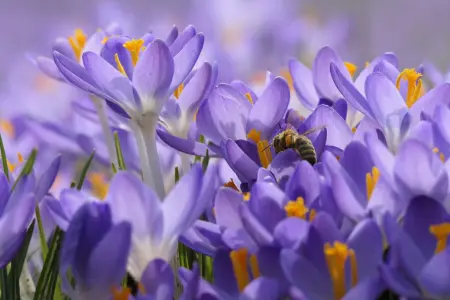
Hayfever, also known as Allergic rhinitis, is an allergic reaction to airborne substances, most commonly pollen. When your immune system mistakenly identifies these particles as harmful, it releases chemicals like histamine to defend your body, triggering a range of uncomfortable symptoms.
Common symptoms include:
- Sneezing and a runny or blocked nose
- Itchy, red, or watery eyes
- Scratchy throat, ears, or mouth
- Fatigue and headaches
- Reduced sense of smell

What Can Cause Hayfever?
Hayfever is typically caused by pollen from trees, grasses, and weeds. These tiny grains are designed to travel through the air, making them easy to inhale and difficult to avoid completely, especially in a garden setting. Weather conditions like warm temperatures, wind, and low rainfall can increase pollen levels, intensifying symptoms.
Seasonal Hayfever
Seasonal hayfever is one of the most common types and can be triggered at specific times of the year when certain plants release pollen. Trees release their pollen ordinarily during the Spring, Grasses release this in late spring and summer, and weeds tend to release their pollen in the late summer and autumn.
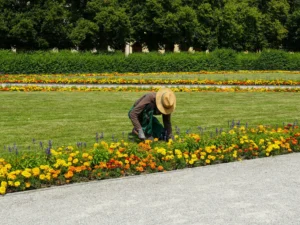
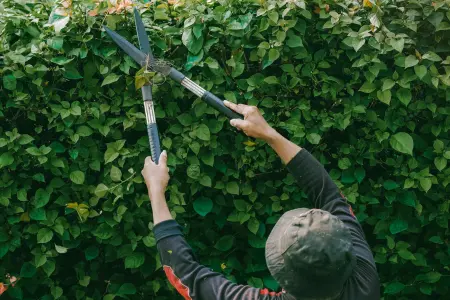
Those who work in landscaping and horticulture may suffer from hay fever, their symptoms triggered by workplace allergens, where pollen and plant matter are unavoidable.
Designing a Low-Allergen Garden
Living with hayfever doesn’t mean avoiding your garden; it just means being a bit more intentional with how you design and maintain it. By making a few smart choices, you can significantly reduce airborne pollen and create a space that’s both beautiful and comfortable to spend time in. One option is to choose plants with heavy, sticky or little pollen
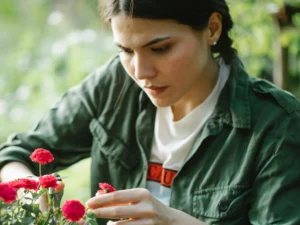
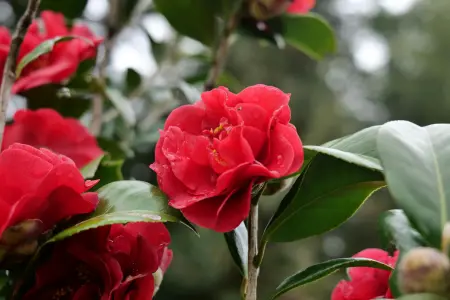
Not all plants spread pollen the same way. Many vibrant, ornamental flowers rely on insects rather than the wind for pollination. These plants tend to produce heavier, stickier pollen that clings to bees and butterflies instead of floating through the air.
Great examples include:
- Roses
- Peonies
- Snapdragons
- Geraniums
- Camellias
Rethink the Traditional Lawn
Grass is one of the biggest culprits when it comes to pollen production, particularly during late spring and early summer when hayfever symptoms are often at their worst. Reducing or removing lawned areas from your garden can therefore have a significant impact on limiting exposure to airborne pollen.
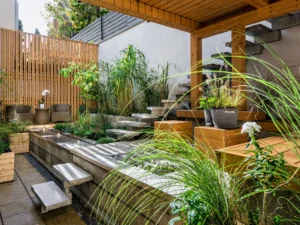
Instead of traditional turf, homeowners can explore a range of attractive and practical alternatives that still provide visual appeal and functionality. Decorative aggregates such as gravel or slate create a clean, contemporary finish while being incredibly low-maintenance. Paving and porcelain patios are also popular choices, helping to form usable outdoor living spaces without contributing to pollen levels.
Decking can add warmth and structure to the garden, especially when paired with seating or planters, while low-allergen ground cover options, such as barked borders, dense shrubs, or carefully selected planting schemes, can soften the space naturally without the drawbacks of a traditional lawn.
This approach not only cuts down on pollen but also reduces maintenance—no mowing means no triggering clouds of grass pollen.
Stay on Top of Garden Hygiene
Weeds are often overlooked when considering hayfever triggers, but widely common varieties are prolific pollen producers and can quickly become a hidden source of irritation within the garden.
If left unmanaged, weeds are able to flower, spread seeds, and release large amounts of airborne pollen into the surrounding environment. Regular garden maintenance is therefore essential in reducing their impact.
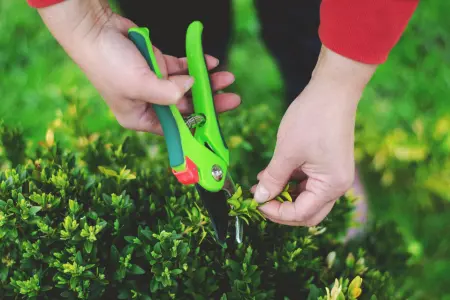
Removing weeds before they have the chance to flower can significantly cut down pollen levels, while keeping borders well-mulched helps suppress new growth and prevents invasive species from taking hold.
It’s also important to compost responsibly, ensuring weeds and seed heads are disposed of correctly to avoid unintentionally spreading them throughout the garden. By maintaining good garden hygiene, you prevent unwanted plants from establishing and releasing pollen into your space.
Choose Low-Pollen or Female Plants
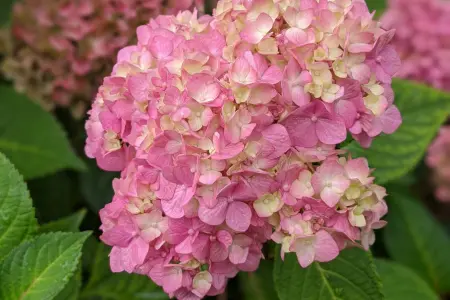
Some plants are naturally low in pollen, making them an excellent choice for allergy-conscious gardens. It is also important to understand that only male plants produce pollen, while female varieties do not release any at all, meaning careful plant selection can dramatically reduce airborne allergens within your outdoor space.
Choosing low-pollen plants such as Hydrangea, Begonia, Hosta, Fuchsia, and Camellia allows homeowners to enjoy a vibrant and visually appealing garden without aggravating hayfever symptoms. These plants not only help minimise pollen levels but also provide attractive foliage, seasonal colour, and long-lasting interest throughout the year.
Be Mindful of Trees and Hedges
If you’re planning structural planting within your garden, it’s important to avoid highly allergenic, wind-pollinated species such as birch, oak, and certain ornamental grasses, as these release large amounts of lightweight pollen into the air.
Instead, choosing insect-pollinated or low-pollen alternatives can help create a more allergy-friendly outdoor environment without compromising on beauty or structure. Trees and shrubs such as Magnolia and ornamental Cherry trees provide seasonal colour and visual interest while producing far less airborne pollen.
Dense hedging, including yew or beech, can also play a practical role within the garden by acting as a natural filter, helping to trap pollen and other airborne particles from surrounding areas before they spread throughout the space.

Conclusion
Living with hayfever doesn’t mean you have to avoid spending time outdoors or sacrifice having a beautiful garden. By making thoughtful choices with planting, landscaping, and garden maintenance, it’s possible to create an outdoor space that is both visually stunning and far more comfortable to enjoy throughout the year.
From selecting low-pollen plants and reducing lawn areas to maintaining good garden hygiene and choosing the right trees and hedging, even small changes can make a noticeable difference. With the right approach, your garden can become a place to relax and unwind without the constant sneezing, itchy eyes, and discomfort often associated with hayfever.