
As the seasons change and winter’s chill blankets your garden, the importance of weeding remains a steadfast duty for any dedicated gardener. Weeds, those pesky intruders, don’t take a winter hiatus. In this comprehensive guide, we’ll explore why weeding during the winter is crucial, the threats weeds pose when left unattended, a surprising revelation about the good side of some weeds, the best tools for the job, even in challenging conditions, and the age-old debate of tools versus chemicals in the battle against garden invaders.
Importance of Weeding in the Garden
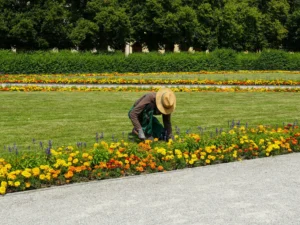
Winter is no respite for the vigilant gardener. Weeds are persistent, even in the coldest months, and allowing them to flourish during winter can lead to an onslaught come spring. Weeding in the garden during winter not only prevents weed growth but also ensures that your garden is ready for planting when the warmer months arrive. It’s a proactive measure to maintain a healthy and weed-free garden throughout the year.
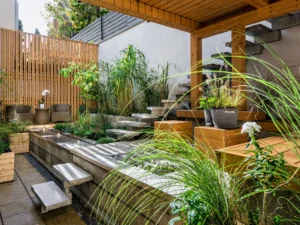
Over the winter, gardeners should keep a watchful eye on several key areas in their gardens, as these spots often provide ideal conditions for weeds to flourish. Garden beds left untended during the cold season can become a haven for weed growth. However, it’s not just the planting areas to be concerned about; weeds often take root in the gaps of patios, driveways, and gravel areas, where they can be particularly damaging.
In the UK, gardens are sometimes plagued by invasive species such as bindweed, which can smother and strangle other plants. It is also known for its rapid and relentless spread. These resilient weeds can not only compromise the health and aesthetics of your garden but also threaten the integrity of patios and gravel features, making it vital to monitor these trouble spots and continue weeding in the garden throughout the winter months.
The Threats Weeds Present When Left Unmanaged
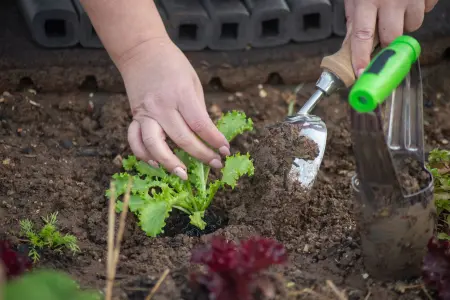
Weeds, those seemingly innocuous interlopers, are far more than mere garden nuisances; they wield an arsenal of threats when left unchecked. To begin, they engage in fierce competition with the plants you intentionally nurture for nutrients, water, and sunlight. Weeds possess an uncanny ability to outcompete and overgrow your cherished garden inhabitants, depriving them of the essential resources needed for healthy growth. This not only results in stunted growth and diminished aesthetics but also leaves your garden’s vitality at stake.
The implications of not weeding in the garden extend far beyond resource competition. Weeds can act as harbingers of garden troubles, serving as a veritable breeding ground for pests and diseases. Uninvited guests, such as aphids, spider mites, or other garden-damaging insects, often find refuge in the shelter of weed-infested areas. In these cosy hideaways, they multiply and then descend upon your cultivated plants, wreaking havoc.
Furthermore, the prolific seed production of many weeds compounds the issue. In the winter, some gardeners may choose to ignore these intruders, believing them to be dormant. However, this is a misconception, as weeds continue to set seeds even in colder months. These seeds, scattered across your garden during the winter, become a time bomb, lying in wait for the warmth of spring to burst forth, perpetuating the problem. This increases the effort you will need to exert and the time it will take when weeding in the garden in the future.
Thus, the consequences of neglecting weeds during winter reverberate throughout the entire gardening season, creating a cycle of unwanted growth and maintenance headaches. It’s clear that managing weeds is not just a matter of aesthetics but a fundamental aspect of preserving the health and harmony of your garden.
Not All Weeds Are Bad
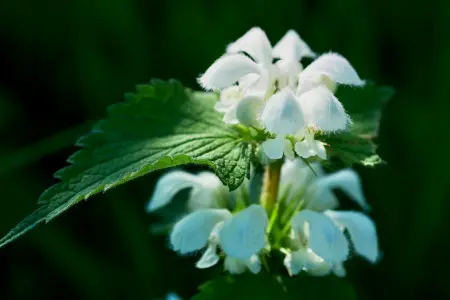
In the world of gardening, it may come as a surprise that not all weeds are the antagonists we often perceive them to be. Some of these so-called weeds can actually play beneficial roles or serve specific purposes in your garden. Keep an eye out for these examples next time you’re weeding in the garden!
Clover is one of the most commonly encountered weeds. While it might seem like an unwanted guest, clover possesses a unique ability that can greatly benefit your garden. It’s a nitrogen-fixing plant, meaning it forms a symbiotic relationship with nitrogen-fixing bacteria in its root nodules. This process allows clover to draw nitrogen from the air and convert it into a form that’s readily available to other plants. By planting clover in your garden, you’re effectively enriching the soil with nitrogen, a vital nutrient for plant growth. Clover also acts as a ground cover, reducing erosion and providing habitat for beneficial insects.
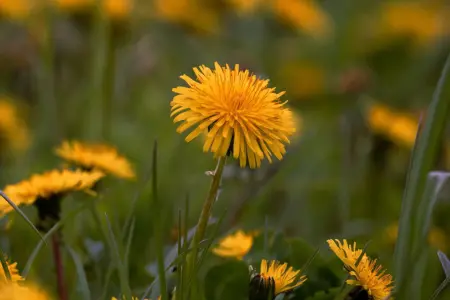
Dandelions, with their sunny yellow flowers and distinctive seed heads, are often seen as a nuisance in lawns and gardens. However, they have an unexpected positive side. Dandelions are one of the first sources of nectar for pollinators in the early spring, providing essential food for bees and other beneficial insects when little else is in bloom. In this way, dandelions support biodiversity and the health of your local ecosystem.
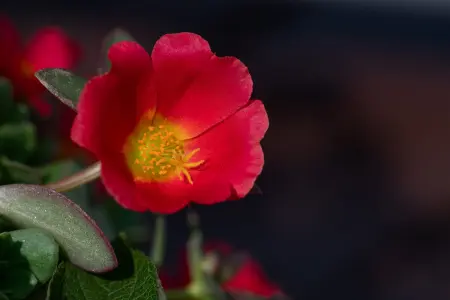
Purslane, often dismissed as a pesky weed, is actually an edible plant rich in essential nutrients. It’s a valuable source of omega-3 fatty acids, vitamins, and minerals. Purslane can be used in salads, soups, and various dishes, adding both flavour and nutrition to your meals. Recognising its culinary potential, some gardeners even cultivate purslane intentionally.
These examples illustrate that not all weeds are adversaries; some may bring unexpected benefits. The key is in distinguishing between those that support your garden’s health and those that truly pose a threat. By embracing a more nuanced view of these plants, you can make informed decisions about managing them in a way that aligns with your gardening goals and ecological values.
The Best Tools for Weeding in the Garden
Weeding is a nuanced task, and having the right tools can make all the difference. Different weeds have different root systems and grow in different areas of the garden, so there is no single tool that will be suitable for every situation. Using the right tool can make removing weeds quicker, easier and more effective, while also helping to minimise unnecessary disturbance to surrounding plants and soil. Here are five essential weeding tools, each designed for specific situations or types of weeds:
Hand Trowel
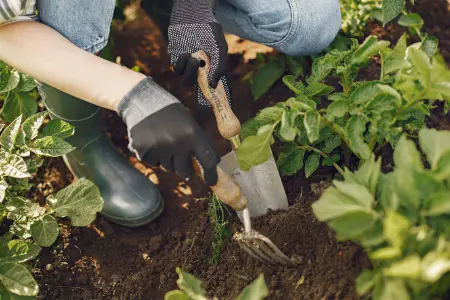
A hand trowel is one of the most versatile tools in the garden and is particularly useful for removing weeds with relatively shallow or easily accessible roots.
Its narrow blade allows you to work accurately around existing plants without disturbing too much of the surrounding soil. This makes it particularly useful in borders, containers and densely planted areas where using a larger tool could damage nearby plants.
For best results, push the trowel into the soil alongside the weed and loosen the soil around its roots before lifting it out. Try to remove as much of the root system as possible, as leaving roots behind can allow some perennial weeds to regrow.
A trowel is particularly useful for young weeds, annual weeds and weeds growing close to ornamental plants.
Hoe
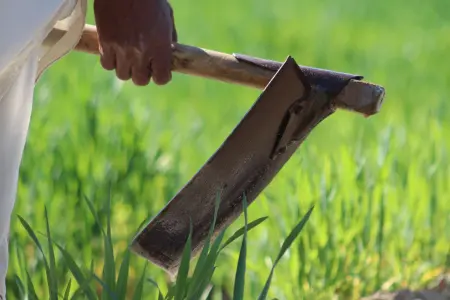
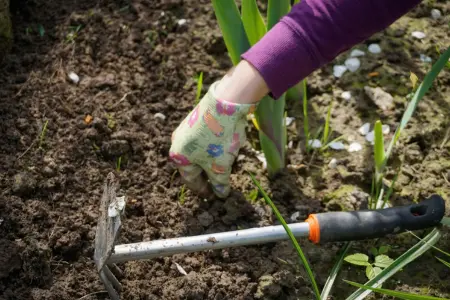
A hoe is an excellent choice when dealing with larger areas of weeds, particularly where the weeds are small and shallow-rooted.
Rather than digging each weed out individually, a hoe can be used to slice weeds off just below the surface of the soil. This makes it a much quicker option for clearing weeds between rows of plants, across vegetable beds or over areas of bare soil.
Hoeing is generally most effective when the soil is relatively dry and the weeds are still young. Regular, light hoeing can prevent weeds from becoming established without requiring extensive digging.
However, care is needed around established plants, as hoeing too deeply can damage their roots and unnecessarily disturb the soil.
Weeding Knife
A weeding knife is particularly useful for tackling weeds in awkward or confined spaces where other tools may struggle.
The narrow, pointed blade can be used to loosen soil around stubborn roots, prise weeds from the ground and scrape weeds from gaps between paving slabs, kerbs and other hard surfaces. This makes it especially useful for removing weeds that have established themselves in cracks and joints.
A weeding knife can also be helpful when dealing with weeds with longer or more persistent root systems. Work the blade down alongside the root before gently levering the weed upwards, taking care not to simply snap the stem away from the roots.
Its versatility makes it a useful tool to keep close at hand for both border maintenance and hard landscaping.
Weeder with Forked Tip
A forked weeder is designed specifically for weeds with deep, strong tap roots. These include common garden weeds such as dandelions, docks and thistles, which can be particularly frustrating if the root is left behind.
The forked end is placed around the base of the weed and pushed down into the soil alongside the root. By levering the handle upwards, the tool helps loosen and lift the root from the ground.
This is often much more effective than simply pulling the leaves or stem, which can result in the top of the weed breaking away while the root remains underground.
Removing the whole root is particularly important with persistent perennial weeds, as even a small section left behind may allow the plant to regrow.
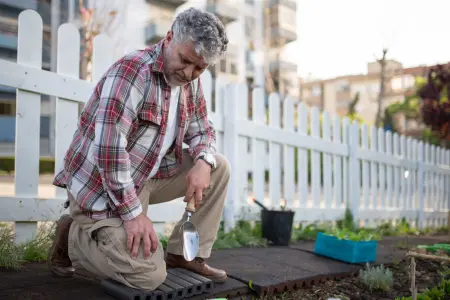
Knee Pads
Although they are not considered a weeding tool in the traditional sense, knee pads can make a significant difference when spending a prolonged period working at ground level.
Weeding often involves kneeling for extended periods, particularly when working through borders or densely planted areas. A good pair of gardening knee pads can reduce pressure on the knees and make the task considerably more comfortable.
Best Tools for Hard Ground Weeding in the Garden
Gardening can sometimes present challenging conditions, particularly when the ground is hardened or compacted, making the standard weeding tools less effective. During such times, it’s essential to have a set of specialised tools at your disposal that are designed to handle these tough situations. Here are some great examples:
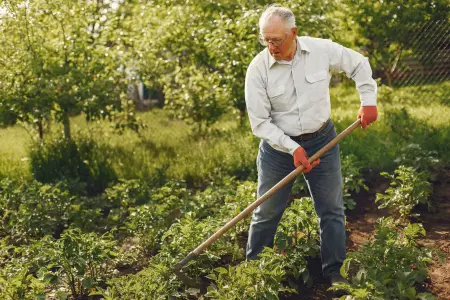
Pickaxe
A formidable tool for breaking through compacted soil. With its sharp, pointed head, it can easily penetrate hard ground, allowing you to access deeply rooted weeds that might otherwise be unmanageable. The pickaxe’s sturdy construction provides the leverage needed to dislodge stubborn weeds effectively. It’s a heavy-duty solution for tackling the most challenging weeds when weeding in the garden, such as removing deeply embedded tap-rooted weeds in compacted garden beds or gravel areas.
Broad-bladed Mattock
Another tool ideally suited for hardened ground. Its wide, flat head combines the cutting abilities of an axe with the digging power of a hoe. This versatile tool is excellent for breaking up compacted soil and cutting through stubborn weeds with deep roots. The horizontal blade provides stability and control, making it an effective choice for loosening soil in garden beds, around tree roots, or in gravel areas.
Dandelion Diggers
Specialised tools designed to remove weeds with taproots, like dandelions and thistles. They have a slender, pointed end that allows for precise weeding even in hard soil. This tool is great for lawns or rocky areas.
The Soil Knife
Sometimes referred to as a hori-hori, is a versatile, multi-purpose tool that excels in rocky or compacted soil. With its serrated edge, it can cut through stubborn weeds and roots, making it particularly useful for digging out deep-rooted invaders.
Japanese Nejiri Gama Hoe
This traditional Japanese hand tool, often called the “hula hoe,” features a sharp, oscillating blade that can cut through weeds just below the soil surface, making it effective for weeding in the garden and in hard or compacted ground. It’s a gentle and efficient tool for cultivating plants without disturbing the soil too much.
While these weeding tools can be invaluable for maintaining and weeding in the garden, it’s essential to prioritise safety when using them. Their sharp edges and pointed tips can pose risks if not handled carefully. It’s important to emphasise that these tools may not be suitable for children, as they require a level of responsibility and caution.
When using these implements, always ensure you handle them respectfully and with care. Pay close attention to proper techniques, and be mindful of your surroundings to minimise the likelihood of accidents or injuries. By using these tools with safety in mind, you can enjoy their benefits while safeguarding your well-being and that of those around you.
Benefits of Weeding in the Garden with Tools
- Environmental Safety: weeding with tools eliminates the risk of chemical runoff, which can harm aquatic ecosystems and wildlife.
- Precision: tools allow you to target specific weeds, minimising damage to desirable plants.
- Avoiding Chemical Residues; weeding tools prevent the introduction of chemicals into your garden, ensuring chemical residues won’t affect the quality of your produce or the health of your garden.
Drawbacks of Weeding in the Garden with Tools
- Labour-Intensive; weeding with tools can be physically demanding and time-consuming, particularly in larger gardens.
- Recurring Task; weeds can regrow after manual removal, necessitating regular attention.
- Limited Effectiveness; tools may not be as effective for certain weeds, especially those with extensive root systems or when the ground is extremely hard.
Conclusion
The act of weeding in the garden is a continuous and essential responsibility that extends its significance throughout the year, even during the cold embrace of winter. Weeds do not retreat during the colder months; they persist and can create significant challenges when spring arrives. Understanding the importance of weeding, the threats posed by unchecked weeds, the surprising benefits of some of these intruders, the best tools for efficient weeding, and the nuances of weeding in challenging conditions are central to achieving a thriving, weed-free garden.
By acknowledging the year-round necessity of weeding and the potential havoc that unattended weeds can wreak, you empower yourself to take proactive measures to safeguard your garden’s health and vitality. Vigilance over key areas such as garden beds, patios, driveways, and gravel features, which can become breeding grounds for weeds, is crucial.
Ultimately, the choice comes down to your preferences and the specific needs of your garden. Whichever method you choose, the key is to approach the task with care and consideration for safety. Weeding in the garden remains an unceasing duty for gardeners, ensuring that your garden thrives with health and vitality while minimising the impact of these intruders on your beloved garden beds. With the right tools, knowledge, and a vigilant eye, you can enjoy a flourishing garden, brimming with the beauty of your carefully cultivated plants.
References
Further Reading
Weed Warfare: The Best Common Ragwort Treatment Methods
Get Your Edges in Shape – No One Likes a Floppy Border