
If you have a garden in Norfolk, you may already be feeling the effects of the hot, dry weather we have experienced this summer. With rivers and reservoirs under pressure and water demand reaching record levels, Anglian Water introduced a Temporary Use Ban (TUB), more commonly known as a hosepipe ban, across its region from 11 July 2026.
For gardeners, a hosepipe ban can initially feel like a major inconvenience. After all, our gardens still need water, particularly during prolonged periods of heat and drought. However, a hosepipe ban also highlights a much bigger issue: how can we design and manage gardens that are better equipped to cope with increasingly unpredictable weather?
In this article, we will explain what the Norfolk hosepipe ban means, what you can and cannot do in your garden, the exemptions that apply, why hosepipe bans happen, and what you can do now to protect your plants. We will also look at how thoughtful garden design, water storage and drought-tolerant planting can help Norfolk gardens become more resilient to future dry periods.
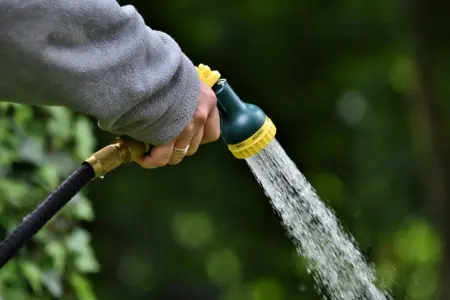
What is a Hosepipe Ban?
A hosepipe ban is formally known as a Temporary Use Ban (TUB). It is a restriction introduced by a water company when water resources are under significant pressure. The current Anglian Water TUB applies across its region, including Norfolk. The restrictions came into force from 1.01 am on Saturday 11 July 2026 and will remain in place until water resources have recovered sufficiently for Anglian Water to be confident that supplies have returned to more normal levels.
The purpose is not to stop people using water altogether. You can continue to use water normally inside your home. Instead, the restrictions target certain non-essential uses of mains water, particularly activities that can consume large amounts of water very quickly.
What Does the Hosepipe Ban Mean for Norfolk?
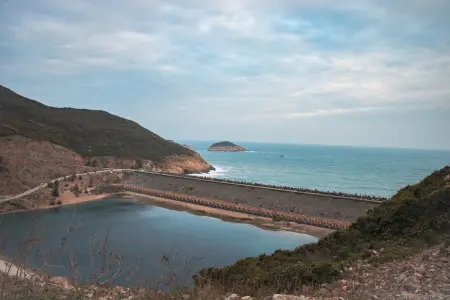
Norfolk is particularly vulnerable to water shortages because the East of England is one of the driest parts of the country. The region naturally receives less rainfall than many other parts of the UK, while demand for water remains high due to its growing population, agriculture and tourism.
This means that prolonged periods of dry weather can place significant pressure on already limited water resources. The current restrictions follow an extended period of hot and dry weather, an exceptionally dry spring and record demand for water. With very little rainfall to replenish rivers, reservoirs and groundwater, water levels have continued to fall.
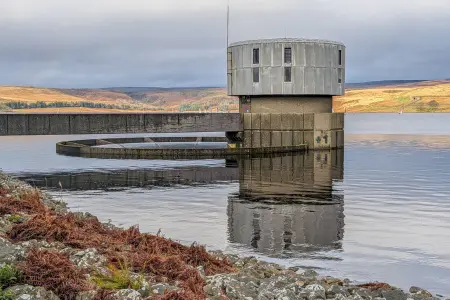
Anglian Water has reported that many rivers are running exceptionally low, while reservoirs are also below the levels normally expected for this time of year. During periods of extreme heat, evaporation also increases, causing water to be lost more quickly from soils, rivers, reservoirs and other water sources.
The situation has become serious enough for the Environment Agency to identify drought conditions within Anglian Water’s Norfolk, Norwich and the Broads water resource zone. For Norfolk residents and gardeners, this highlights why using water responsibly is particularly important during prolonged dry periods. It also demonstrates the need to think beyond the current hosepipe ban and consider how we can make our gardens more water-efficient and resilient to future droughts.
What Does This Mean for People with Gardens?
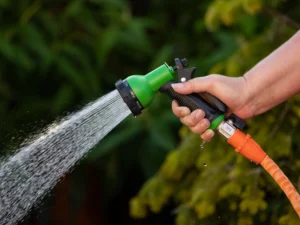
For gardeners, the biggest change is that you cannot simply turn on a mains-fed hosepipe to water your garden. This can make maintaining plants more challenging during prolonged periods of hot, dry weather, particularly for newly planted borders, containers, vegetable gardens and young trees that may need additional water while they become established.
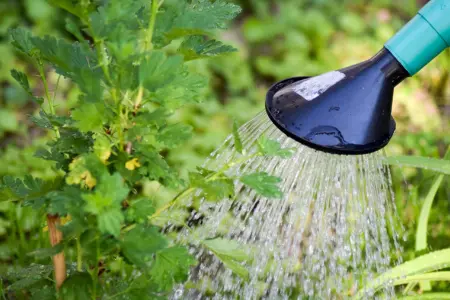
You can, however, continue to care for your plants using alternatives such as watering cans, buckets and collected rainwater. Watering by hand also gives you greater control over where water is being applied, allowing you to target the base of plants and their root systems rather than wasting water on surrounding areas. Certain drip and trickle irrigation systems are also permitted when they meet Anglian Water’s requirements, providing a more efficient way of delivering water directly to the soil around plant roots.
This means that a well-designed water storage system can suddenly become extremely valuable. A garden with water butts or other rainwater collection measures already in place has a readily available alternative source of water rather than relying entirely on the mains supply. For larger gardens, multiple water butts, storage troughs or underground tanks can provide considerably more capacity, allowing rainwater to be collected during wetter periods and stored for use when conditions become dry.
Planning for water shortages before they happen can therefore make a significant difference. Incorporating water storage and efficient irrigation into a garden’s design can reduce reliance on mains water and make it easier to keep plants healthy during future periods of drought and water restrictions.

The Rules and Caveats of a Hosepipe Ban
So, what exactly can and can’t you do during the current Norfolk hosepipe ban? Under Anglian Water’s Temporary Use Ban, you must not use a hosepipe for:
- Watering your garden or plants
- Washing your car
- Cleaning patios and driveways
- Cleaning walls and windows
- Filling paddling pools, swimming pools or hot tubs
- Filling ponds and ornamental fountains
- Cleaning private leisure boats
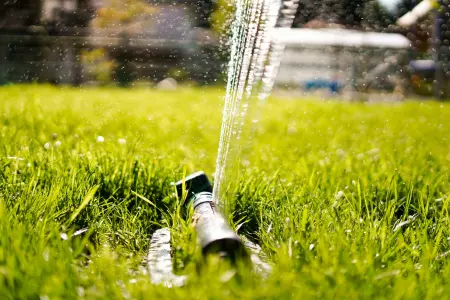
The restrictions also apply to sprinklers and pressure washers connected to the mains water supply. Sprinklers, misters, spray irrigation systems and other equipment that disperses water into the air are not permitted under the restrictions.
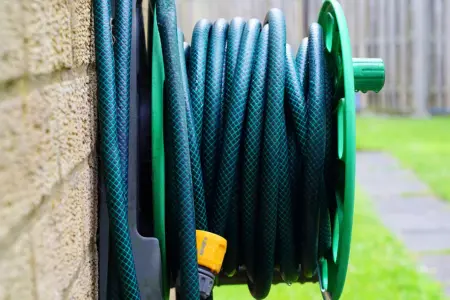
This does not mean that you cannot water your garden at all. Anglian Water allows gardens and fruit and vegetable crops to be watered using a watering can or bucket. Water from a water butt can also be used. Certain drip or trickle irrigation systems are permitted if they are:
- Fitted with a timer
- Have a pressure-reducing valve
- Are not handheld
- Deliver water directly to the soil or plant roots
There are also exemptions and important caveats to the current restrictions. Not every use of a hosepipe is automatically prohibited. Anglian Water states that statutory exceptions apply to certain situations, including:
- Animal welfare
- Health and safety
- Religious practices
- Certain business and commercial activities
- Recycled or non-potable water
- Newly laid turf, where the relevant conditions are met
- Newly planted trees, hedges and saplings, where the relevant conditions are met
- Qualifying drip or trickle irrigation systems
There is also an exemption for certain customers registered on Anglian Water’s Priority Services Register who are physically unable to use a watering can or bucket safely, or who cannot make the necessary adjustments because of health reasons. It is important to check the current Anglian Water guidance if you believe an exemption applies to you, as the conditions vary depending on the activity.
What Causes a Hosepipe Ban?
Hosepipe bans are generally introduced when a water company determines that water resources are under enough pressure that restrictions are needed to protect supplies and the environment. There isn’t usually one single cause; instead, several factors can combine to create conditions where water use needs to be reduced.
One of the biggest contributing factors is prolonged dry weather. When rainfall is limited for an extended period, rivers, reservoirs, groundwater and other water sources have less opportunity to replenish. This is particularly important in Norfolk and the wider East of England, where the region naturally receives relatively low levels of rainfall and water resources are already under pressure. If dry conditions continue for weeks or months, water levels can gradually fall to a point where supplies become increasingly difficult to maintain.
Hot temperatures can make the situation worse by increasing evaporation from soils, plants, rivers, reservoirs and other water sources. People also tend to use more water during hot weather, whether watering gardens, taking more showers, filling paddling pools or cleaning outdoors. During the current situation, Anglian Water reported that demand increased dramatically during the hottest periods, with water use reaching record levels.
This increased demand can put significant pressure on the water network, particularly when large numbers of households are using more water at the same time. Although the increase from one household may seem small, the combined effect can be substantial, especially when water resources are already depleted.
Water companies also monitor river, reservoir and groundwater levels when assessing available supplies. Rainfall alone doesn’t tell the full story, as water needs to reach rivers, reservoirs and underground sources before supplies can be replenished. During the current 2026 restrictions, Anglian Water has highlighted exceptionally low river levels and reservoirs below the levels normally expected for this time of year.
When prolonged dry weather, high temperatures, increased demand and declining water levels occur together, the pressure on water resources can become significant enough for a hosepipe ban to be introduced. These restrictions aim to reduce non-essential water use and protect available supplies while allowing rivers, reservoirs and groundwater to recover.
What Can Gardeners Do to Help Their Plants Survive a Hosepipe Ban?
A hosepipe ban doesn’t automatically mean your garden has to become a brown, lifeless space. In fact, there are several things you can do to make the water you have available go much further.
Water at the Right Time
When you do need to water, timing makes a considerable difference. Watering in the early morning is generally the most efficient option because temperatures are lower and evaporation is reduced. Watering directly around the base of plants also ensures that more water reaches the roots rather than being lost from wet foliage. Avoid watering during the hottest part of the day, when a significant amount of water can evaporate before it reaches the root zone.
Water Deeply Rather Than Little and Often
It can be tempting to give plants a small amount of water every day. However, deeper, less frequent watering can encourage plants to develop stronger, deeper root systems. When plants are established, water should generally be directed slowly and thoroughly towards the root zone rather than providing frequent, shallow watering. Newly planted trees, shrubs and perennials are a different matter. They need particular attention while their root systems establish, especially during prolonged dry weather.
Collect and Reuse Rainwater
One of the simplest solutions is to collect rainwater before it reaches the ground and runs away. Water butts connected to gutters can capture rainwater from roofs and store it for use during dry periods. Even relatively small storage containers can provide a useful reserve for watering pots, borders and vegetable gardens. If you have the space, consider going beyond a standard water butt. Larger troughs, linked storage systems and underground tanks can provide significantly greater capacity.
Improve Your Soil
Healthy soil is an important part of a drought-resilient garden. Adding organic matter can improve soil structure and its ability to hold and make water available to plants. This can be particularly useful in sandy or free-draining soils, where water can otherwise pass through quickly. Good soil preparation before planting can therefore reduce the amount of watering your garden needs in the long term.
Keep Weeds Under Control
Weeds are competing with your plants for the same limited supply of water. Removing weeds regularly means more of the moisture in the soil can be used by the plants you actually want to grow. Don’t panic about your lawn; one of the easiest ways to save water is to stop trying to keep your lawn perfectly green during a drought.
Grass can turn brown during prolonged dry weather and often recovers when rainfall returns. The RHS advises that established lawns generally cope surprisingly well with drought and rarely require irrigation to remain healthy. Rather than using precious stored water to maintain a green lawn, prioritise plants that genuinely need it.
Mulch Your Borders
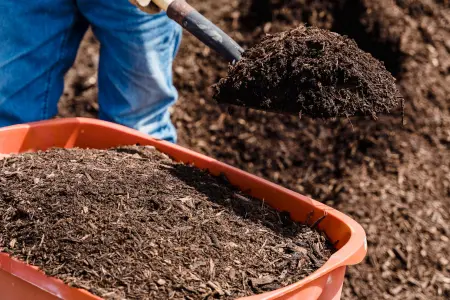
Mulching is one of the simplest ways to reduce water loss from your soil. A layer of mulch on the surface acts as a protective barrier, reducing evaporation while also suppressing weeds that would otherwise compete with plants for moisture. Organic materials such as garden compost, well-rotted manure and bark can be used, while gravel and other mineral mulches can also be useful in appropriate planting schemes. For the best results, mulch when the soil already contains moisture. The aim is to lock moisture into the soil rather than trying to rescue completely dried-out ground.
Prepare Your Garden for the Next Hosepipe Ban
The uncomfortable reality is that this is unlikely to be the last time gardeners in the UK have to think seriously about water. Climate change is altering the conditions in which our gardens grow. The RHS highlights hotter, drier summers alongside increasingly unpredictable rainfall, while Met Office projections indicate that UK summers could become considerably warmer and, depending on the region and emissions scenario, substantially drier. For gardeners, this means we need to start thinking about water resilience as part of garden design, rather than treating drought as an occasional problem.
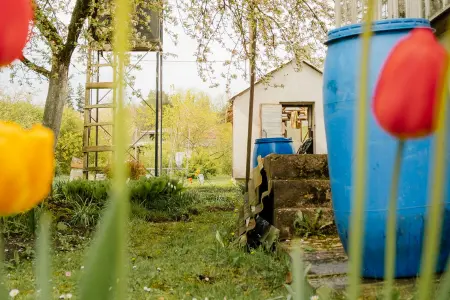
Install Water Butts
Water butts are one of the simplest ways to start collecting rainwater. They can be connected to downpipes from houses, garages, sheds and even fences, allowing rainfall to be stored rather than immediately entering the drainage system. For a larger garden, multiple water butts can be connected to increase storage capacity.
Larger Water Storage Systems
If you want to take water conservation further, larger-scale storage can be incorporated into the garden design. This could include:
- Large above-ground water troughs
- Multiple interconnected water butts
- Underground water storage tanks
- Rainwater harvesting systems
- Water storage connected to buildings and outbuildings
- Rain gardens and planted drainage areas
- Systems that collect and redirect rainwater from hard landscaping
Underground tanks are particularly useful where space or aesthetics are concerns. They can provide substantial storage capacity without taking up valuable garden space or becoming a dominant feature.
Choose Drought-tolerant Plants
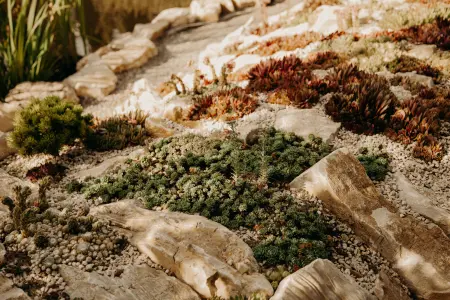
Plant selection can make an enormous difference. A garden designed around plants that naturally cope with dry conditions will generally require less supplementary watering once established. Drought-tolerant planting doesn’t mean sacrificing colour or interest.
Plants adapted to dry conditions can provide flowers, foliage, texture, structure and seasonal interest while supporting wildlife and pollinators. Plants with silver or grey-green foliage, for example, often have adaptations that help them cope with dry conditions.
Mediterranean-style planting can also work particularly well in suitable sunny, well-drained areas. However, the key is always the right plant in the right place. A drought-tolerant plant isn’t necessarily drought-tolerant everywhere. Soil type, drainage, aspect and exposure all need to be considered.
Reduce the Amount of Lawn
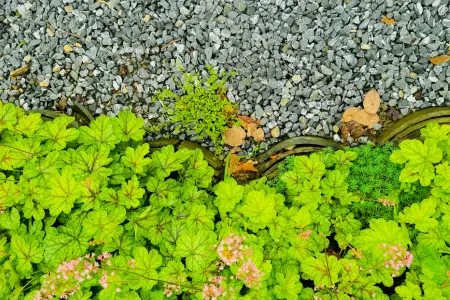
Lawns aren’t inherently bad for gardens, but large areas of lawn can create unnecessary pressure to maintain a green appearance during periods of drought. Consider replacing some lawn with planting, gravel gardens, groundcover or other lower-water alternatives.
This can allow the water you have collected to be directed towards plants that provide greater biodiversity, colour and habitat, rather than being used simply to keep grass green. The RHS also recommends considering alternatives to extensive areas of lawn in drought-prone gardens.
Build Water Management into your Garden Design
Water conservation shouldn’t necessarily be something that is added after a garden has been designed and it should be incorporated from the very beginning. When designing a garden, you should consider:
- Where rainwater currently flows
- Which roofs and hard surfaces could collect water
- Where water can be stored
- How water can be directed towards planting
- Whether permeable surfaces could reduce runoff
- Which areas are naturally wetter or drier
- Which plants will cope best with the conditions
- How irrigation can be used efficiently
- Where shade can help reduce evaporation
- How soil can be improved to hold moisture
This creates a garden that isn’t simply designed to look beautiful on the day it is completed, but one that is better prepared for the weather conditions it may face in the future.
How Norfolk Garden Services Can Help
At Norfolk Garden Services, we believe that good garden design needs to look beyond how a garden works today and consider how it will perform in the future. Drought resilience and water conservation can be incorporated into both new garden designs and existing gardens via the creation of drought-tolerant planting schemes.
We can design planting schemes that are better suited to hot, dry conditions, selecting plants according to your garden’s soil, aspect, drainage and existing landscape. The aim isn’t simply to fill a border with drought-tolerant plants. We can create a considered planting scheme with colour, texture, structure, seasonal interest and biodiversity, while reducing the garden’s reliance on supplementary watering once plants have established.
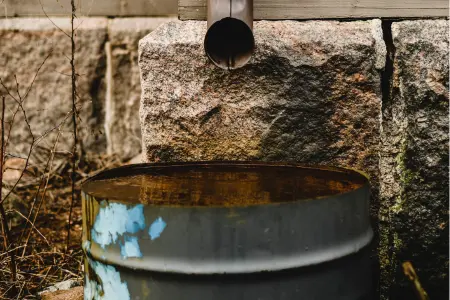
We can also help you incorporate water conservation into the construction of your garden. This could include designing and constructing systems to collect and store rainwater, such as water butts, larger storage troughs and underground water tanks. For larger projects, underground storage can be incorporated during the landscaping process, with excavation and installation planned alongside other construction works. This provides a discreet way of creating a significant water reserve that can be used to support the garden during future dry periods.
Designing a more climate-resilient garden using not only water storage but also combining it with drought-tolerant planting, appropriate soil preparation, mulching, efficient irrigation, permeable landscaping and lawn alternatives to create gardens that are better equipped to cope with periods of drought. By considering these elements at the design stage, it is possible to create a garden that is both beautiful and more resilient to the changing climate.
Conclusion
The current Norfolk hosepipe ban is a reminder that water cannot be taken for granted. For gardeners, restrictions such as these can be frustrating, particularly after weeks of hot weather when plants are visibly struggling. However, they also provide an opportunity to rethink how we use water in our gardens.
Collecting rainwater, improving soil, mulching borders, choosing drought-tolerant plants and reducing our reliance on large areas of lawn can all make a difference. More substantial measures, such as underground water storage and integrated rainwater harvesting, can take water conservation even further.
As our climate changes, preparing for periods of drought is likely to become an increasingly important part of garden design in Norfolk and across the UK. A beautiful garden doesn’t have to be a thirsty garden. With thoughtful design and the right planting, it is possible to create outdoor spaces that use water responsibly while still providing colour, wildlife, structure and enjoyment throughout the year.
If you’re considering redesigning your garden or would like to make an existing garden more resilient to drought, Norfolk Garden Services can help. From drought-tolerant planting schemes to the construction of water conservation systems, we can help you create a garden that’s ready for the conditions of today and the climate of tomorrow.
References
Further Reading
Top Lawn Alternatives You’ll Love
Basking in the Sun – Our Top Picks for Full Sun Plants
A Cleaner Norfolk Through Sustainable Landscaping