
The RHS Sandringham Flower Show 2026
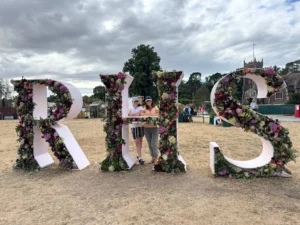
The RHS Sandringham Flower Show 2026 was a celebration of creativity, innovation and the important role gardens can play in supporting our environment. Sustainability and biodiversity were at the heart of this year’s show, with designers using thoughtful planting schemes, innovative materials and nature-friendly construction methods to create spaces that support wildlife, climate resilience and wellbeing.
We look back at some of the standout larger show gardens and community cube gardens from this year’s event, exploring the stories, ideas and inspiration behind each design. From gardens supporting nature recovery and tackling the impacts of climate change, to spaces celebrating accessibility, heritage and community.
Each garden demonstrated how thoughtful design can create meaningful connections between people and the natural world. We’ll highlight some of our favourites and showcase the creative ways designers used planting, materials and sustainability principles to bring their visions to life.
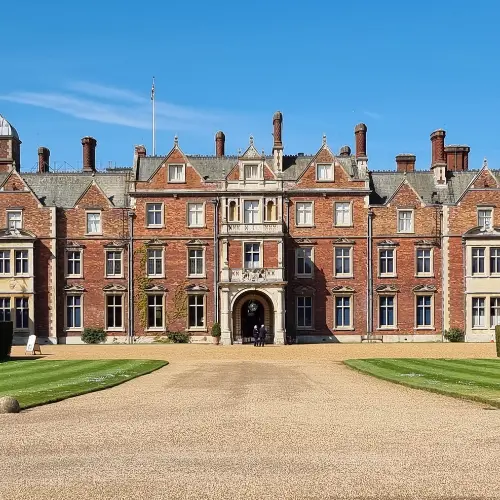
What is the Sandringham Flower Show?
The RHS Sandringham Flower Show is one of the UK’s most prestigious horticultural events, held annually in the beautiful grounds of Sandringham Estate in Norfolk. Established in 1977, the show has grown into a much-loved celebration of gardening, design and horticulture, bringing together leading garden designers, nurseries, growers, charities and gardening enthusiasts for a day dedicated to all things plants and gardens.
The show holds a special place within the horticultural calendar due to its unique royal setting and its long-standing connection with the Royal Family. His Majesty King Charles III and Queen Camilla have regularly attended the event, taking the opportunity to explore the gardens, meet exhibitors and celebrate the work of those within the gardening community.
With thousands of visitors attending each year, the show provides an important platform for designers and organisations to share ideas, inspire gardeners and showcase how gardens can contribute positively to our environment and communities.
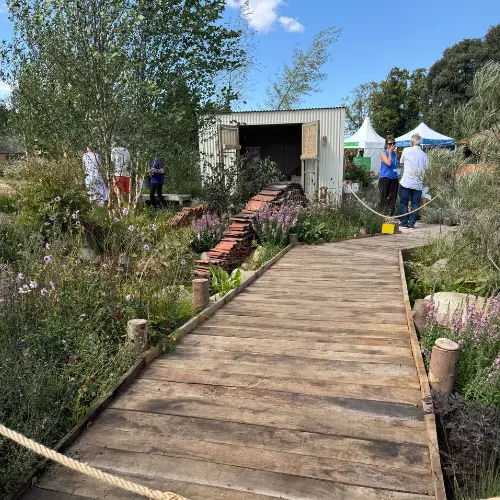
RHS Sandringham Flower Show Awards and Judging
The RHS Sandringham Flower Show is one of the UK’s most prestigious horticultural events, held annually in the beautiful grounds of Sandringham Estate in Norfolk. Established in 1977, the show has become a much-loved celebration of gardening, design and horticulture, bringing together leading garden designers, nurseries, growers, charities and gardening enthusiasts.
Its unique royal setting and long-standing connection with the Royal Family make it a special event within the horticultural calendar, with His Majesty King Charles III and Queen Camilla regularly attending to explore the gardens, meet exhibitors and celebrate the gardening community. Each year, thousands of visitors attend, providing designers and organisations with an important platform to share ideas and demonstrate how gardens can positively impact our environment and communities.
A key part of the show garden experience is the judging process, where each garden is assessed against its own individual client brief. Judges consider the creativity of the concept, quality of construction, planting choices, sustainability, craftsmanship and how effectively the design communicates its intended message. Designers are judged on how successfully they have translated their original brief into a complete and cohesive garden.
The judging process takes place across several stages. During the initial assessment, designers present their gardens, highlighting key features, explaining the inspiration behind the design and outlining any changes from the original brief. Assessors then make an initial medal recommendation.
The following day, the original assessors return alongside four additional judges to evaluate and discuss each garden before finalising scores. The results then move into a moderation stage, where all judges come together to validate the outcomes collaboratively. It is during this stage that the Best-in-Category awards are decided, with scores compared to recognise outstanding achievements.
Following this, medal presentations celebrate the success of the designers and teams involved, while detailed and constructive feedback is provided by the judging panel chairs and an RHS representative to support future development and excellence in garden design.
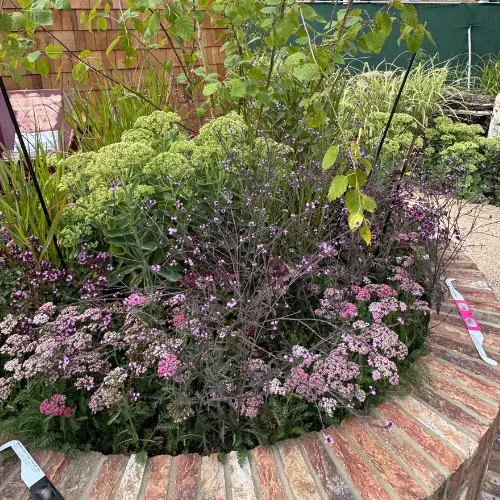
The RHS Community Cube Gardens
The RHS Sandringham Flower Show’s community cube gardens provided charities, organisations and designers with the opportunity to showcase how even the smallest spaces can have a meaningful impact. These compact gardens were designed to tell powerful stories, raise awareness of important causes and demonstrate how thoughtful design can inspire, educate and connect people with nature.
The cubes highlighted that gardens do not need to be large to make a difference. Through creative planting, innovative features and considered design details, each explored how outdoor spaces can support wellbeing, encourage biodiversity and bring communities together.
Many focused on accessibility, sustainability and creating gardens that can be enjoyed by everyone. From celebrating the transformative power of gardening to supporting vital charitable causes, each cube garden had its own unique message and identity. Despite their smaller scale, they showcased the same creativity, passion and attention to detail as the larger show gardens, proving that even the smallest spaces can tell meaningful stories and leave a lasting impression.
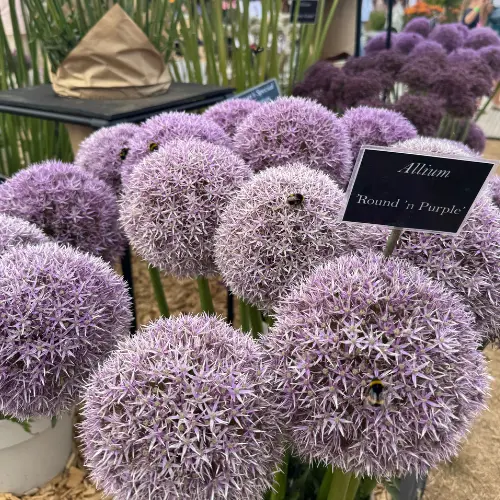
The Vision in Bloom Garden by Rajul Shah
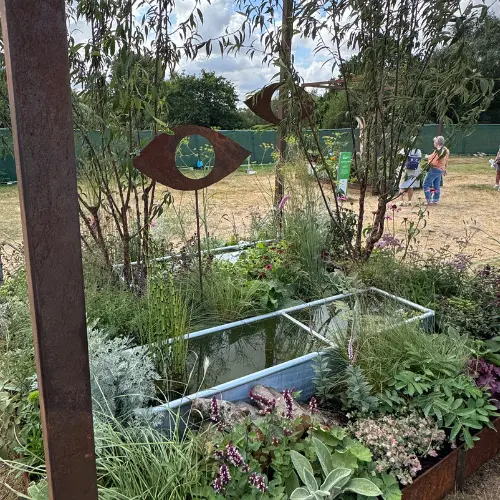
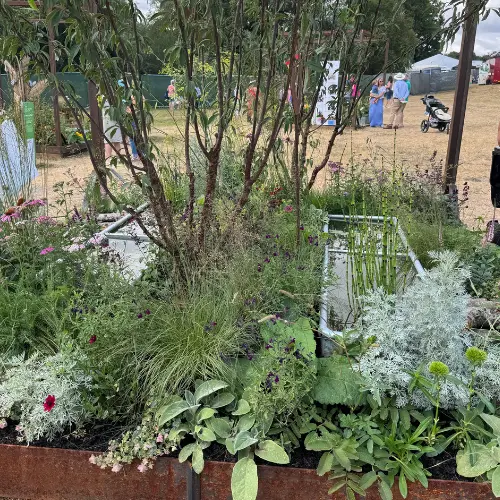
One of the standout community gardens from this year’s Sandringham Flower Show was Vision in Bloom, beautifully designed by Rajul Shah in support of Vision Norfolk, with sponsorship from the RHS. Created to raise awareness of sight loss, the garden explored how people living with visual impairment can experience enjoyment, connection and fulfilment through gardens.
The asymmetrical yet balanced design reflected the imperfect beauty of the human face, while the shapes and colours throughout the garden drew inspiration from the microscopic anatomy of the human eye. It was a thoughtful reminder that a well-designed garden can be experienced through far more than just sight.
The planting was particularly impressive, with rich drifts spilling over the steel edging to soften the structure and create a wonderfully immersive feel. Layers of Echinacea, Salvia, Achillea and Agastache brought contrasting colour, texture, scent and movement, while culinary herbs introduced an element of taste.
Striking steel eye sculptures framed the space, working alongside the surrounding trees to draw the eye upwards, while galvanised trough planters reflected light into the planting. Every detail had been carefully considered to engage the senses and reinforce the garden’s message, creating a beautiful and inspiring space that showed just how inclusive garden design can be.
A Living Story of Transformation by Mike Long Gardens and Tom Rollett
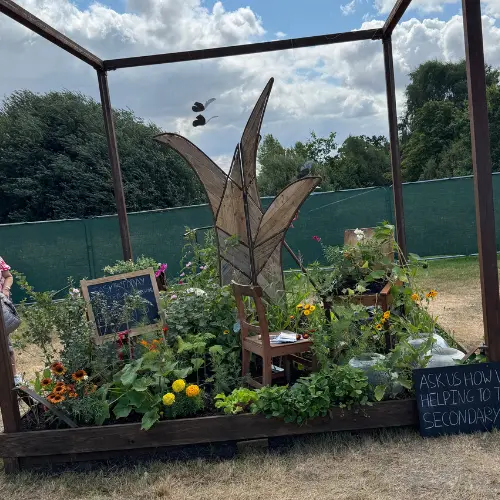
Another fantastic community garden at this year’s Sandringham Flower Show was A Living Story of Transformation, designed by Mike Long Gardens and Tom Rollett in support of The Papillon Project, with sponsorship from the RHS. Inspired by the remarkable lifecycle of a butterfly, the garden explored themes of growth, progress and transformation, reflecting the way young people can develop confidence, wellbeing and purpose through connecting with nature and cultivating plants.
At the heart of the garden stood the striking Papillon Tree, an impressive sculptural structure created from reclaimed timber. Its repurposed materials beautifully reflected the garden’s wider message that, with care and opportunity, something old can be transformed into something extraordinary.
The planting evolved throughout the garden, representing the different stages of a butterfly’s lifecycle, while vertical structures added height and interest and provided support for the developing plants. Hidden amongst the foliage were caterpillars, cocoons and butterflies, with some even carrying the voices and stories of the young people involved in the project.
It was a brilliant example of how garden design can do more than simply create a beautiful space; it can educate, inspire and encourage meaningful conversations around sustainability, wellbeing and the natural world. Gardens like this are a wonderful reminder that every design has the power to tell a story.
Swim Between the Flags by Chloe Erskine
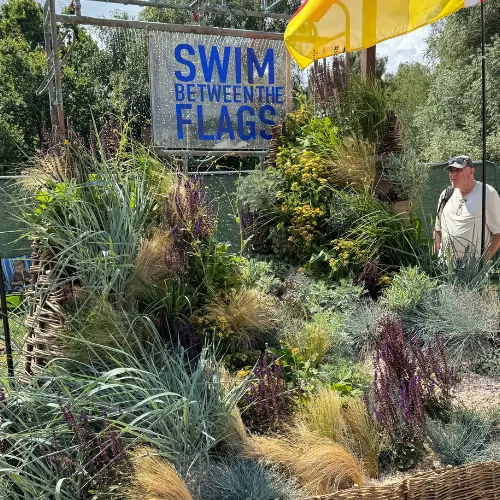
The community gardens at this year’s Sandringham Flower Show were full of creativity, with each one using thoughtful design to communicate a unique story. One that particularly stood out was Swim Between the Flags, designed by Chloe Erskine in support of the RNLI and sponsored by the RHS.
Inspired by the work of RNLI lifeguards, the garden recreated the character of a coastal dune landscape, with the charity’s iconic red and yellow flags providing a strong visual anchor. Sculpted dunes were combined with coastal grasses and vibrant flowering perennials, creating a planting scheme that felt both naturalistic and full of energy.
One of my favourite features was the curtain of rain, which introduced movement and the soothing sound of falling water into the garden, cleverly referencing sea spray and the coastal environment. A timber fingerpost pointing towards beaches across the UK also highlighted the RNLI’s presence and importance along our coastline.
Every element worked together to create a dynamic and immersive garden that celebrated the landscapes we enjoy while communicating such an important message about coastal safety. It was a great example of how a garden can be both visually engaging and meaningful.
The Show Gardens
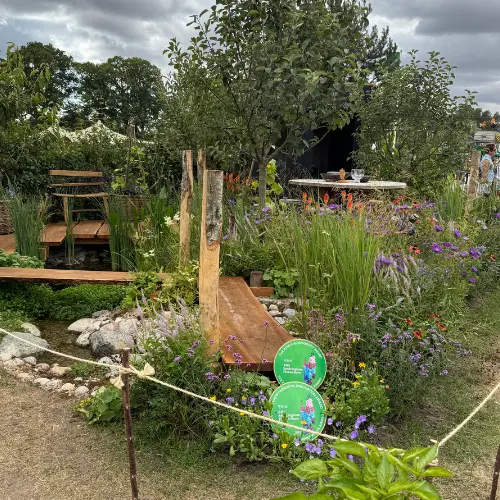
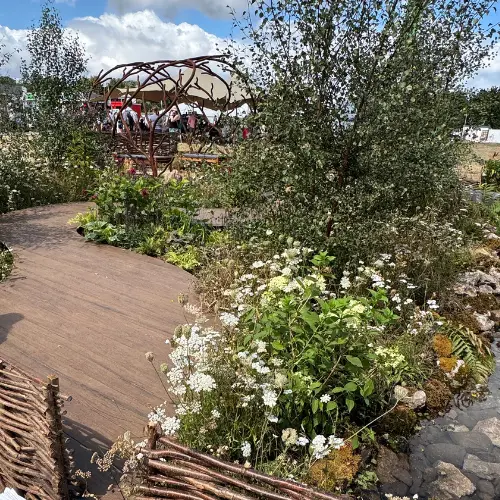
The show gardens at the RHS Sandringham Flower Show are always a highlight of the event, allowing designers to explore important themes, push creative boundaries and showcase the future of garden design. This year, sustainability and biodiversity were at the forefront, demonstrating how gardens can support wildlife, respond to climate challenges and create meaningful connections between people and nature.
Each garden told a unique story, inspired by themes such as heritage, community, conservation and innovation. From thoughtful planting and habitat creation to sustainable materials and climate-resilient features, designers showed how gardens can be both beautiful and functional, offering ideas that can be adapted into spaces of all sizes.
From climate-conscious designs exploring water management and nature recovery, to gardens celebrating art, history and charitable causes, the show gardens highlighted the incredible potential of thoughtful landscape design. In the following sections, we explore some of the standout gardens and the inspiration, ideas and environmental messages behind them.
100 Sweet Summers
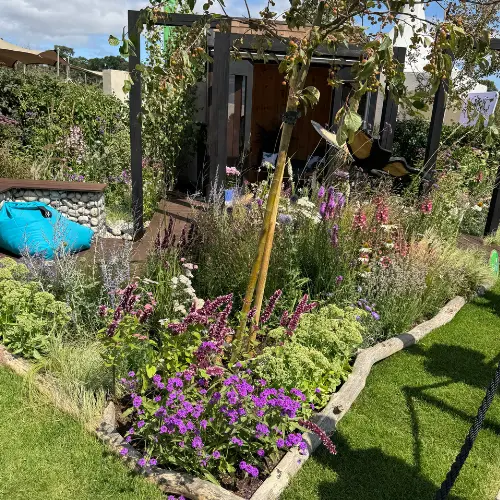
One of the standout larger show gardens at this year’s Sandringham Flower Show was 100 Sweet Summers, designed by Kitti Kovacs. The garden explored the balance between nostalgia and innovation, telling the story of a retired couple celebrating a lifetime of family, friendship and summer memories.
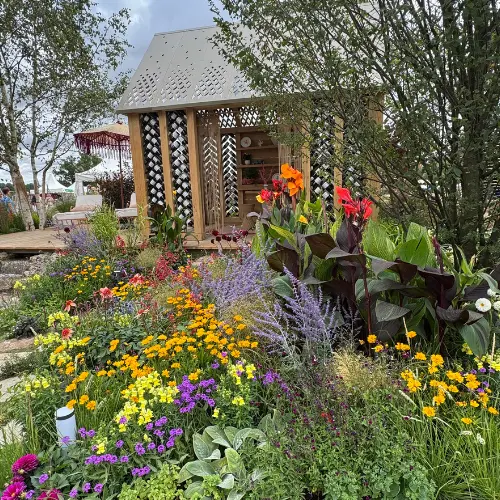
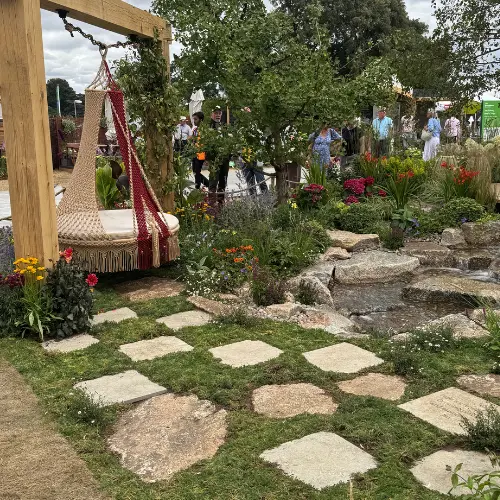
At its heart was an oak-framed cabin decorated with recycled wine bottles collected from special occasions, surrounded by colourful planting inspired by their past. Personal touches, including handmade macramé features, a swing for grandchildren, a parasol and decorative curtains, brought warmth and character to the space, while reclaimed scaffolding boards and recycled materials demonstrated how sustainability can be incorporated without compromising on design.
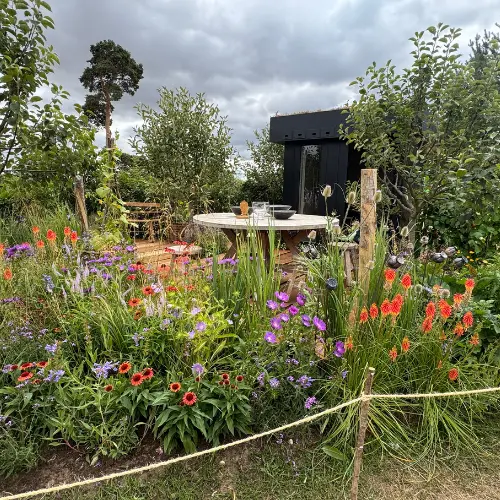
The planting celebrated traditional garden favourites while supporting biodiversity, with zinnias, single dahlias and snapdragons providing vibrant colour and valuable nectar for pollinators. Structural plants such as Canna ‘Stuttgart’, Eryngium × olivierianum BIG BLUE and Veronicastrum virginicum ‘Erica’ added height, texture and movement, while the Dahlia ‘Sissinghurst’ was a fitting highlight. A chamomile lawn offered a fragrant, sensory and low-maintenance alternative to traditional grass.
Sustainability was further showcased through Bioo panels, which use natural biological processes to generate electricity and provide sustainable lighting. Combining reclaimed materials, wildlife-friendly planting and innovative technology, 100 Sweet Summers celebrated the memories gardens create across generations while looking towards a more sustainable future. The garden was awarded a Silver-Gilt medal and won the People’s Choice Show Garden Award.
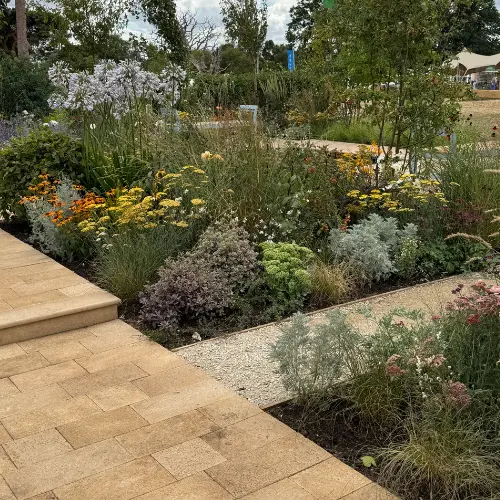
Feeling inspired by the Sandringham Garden Show?
If the gardens at this year’s Sandringham Flower Show have left you feeling inspired, why not bring some of those ideas into your own garden? At Norfolk Garden Services, we can help turn your ideas into a beautiful, practical outdoor space, from the initial garden design through to the construction and planting.
You don’t need a show garden-sized space or an unlimited budget to create something special. Whether you’ve fallen in love with a particular planting style, a sustainable feature, a clever use of space or simply the atmosphere of one of the gardens featured in this blog, we can take the elements you love and adapt them to suit your garden, lifestyle and budget. Even if you can only incorporate a small piece of the inspiration you’ve seen, we can help you make it work within your space.
From patios, paving and planting to fencing, lighting, irrigation and bespoke garden features, our team can help bring your vision to life. You may not be able to recreate a Sandringham show garden, but you can certainly take inspiration from one and make it your own.
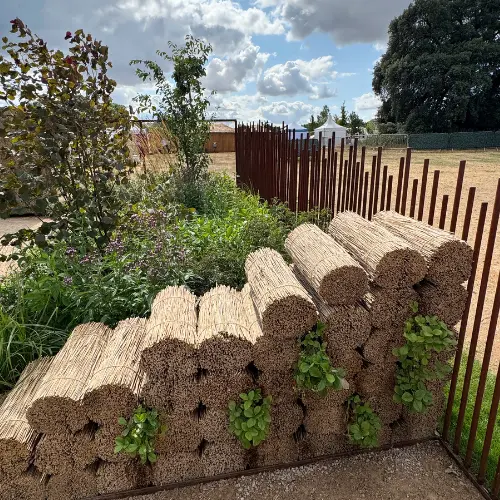
A Celebration of Future Gardening
Looking back at the RHS Sandringham Flower Show 2026, it was clear that sustainability and biodiversity were not simply themes running through the gardens; they were the foundation of many of the designs on display. From climate-resilient planting and innovative materials to wildlife-friendly habitats and spaces designed to bring communities together, the show highlighted the powerful role gardens can play in creating a greener and more connected future.
While we have focused on just a selection of our favourite show gardens and community cube gardens, many other fantastic designs deserve recognition. Each garden brought its own unique story, whether celebrating heritage, supporting charitable causes, encouraging accessibility or demonstrating new approaches to sustainable gardening. The creativity and passion shown by all the designers made this year’s show a truly inspiring event.
The RHS Sandringham Flower Show continues to demonstrate that gardens are much more than beautiful spaces. They are places for wildlife, wellbeing, education and connection and this year’s gardens provided a brilliant reminder that even the smallest design choices can make a positive difference for the environment and future generations.
References
Further Reading
Want even more garden inspiration? Explore our other blogs below for expert tips, ideas and advice to help you create a garden you’ll love.
A Japanese-Style Garden Makeover with a Twist
The Limitations of Urban City Garden Design
Transforming the Forgotten Corners of your Garden
The Meaning of Good Garden Design
Should Garden Designers Specialise or Stay Versatile