
Introduction
Designing a garden in a densely populated urban city garden environment is an exercise in creativity, compromise and careful analysis. Urban city garden design is not simply a scaled-down version of country garden design; it is its own discipline, shaped by constraints that are physical, environmental and economic.
This blog introduces a new way of thinking about those constraints and identifies which order they should be addressed within the Limitations of Urban City Garden Design model. This structured model helps designers prioritise and respond to the challenges of small urban city garden design in a logical, effective way. By understanding what limits a space, we can begin to unlock its full potential.
What is a Small Urban City Garden?
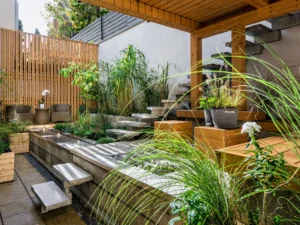
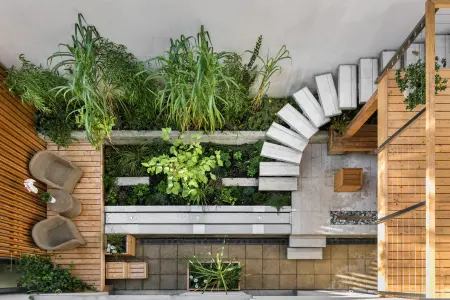
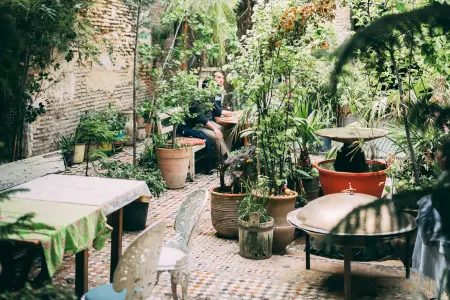
A small urban city garden, often referred to as a city garden, is typically a compact outdoor space attached to a townhouse, terrace, apartment block or infill property within a built-up area.
These gardens are usually enclosed by neighbouring buildings or boundary walls and often measure far less than their rural counterparts. They may be rectangular and narrow, overlooked from multiple angles, partially shaded by surrounding architecture, and influenced by underground services and hard landscaping left behind by previous occupants.
Yet size alone does not define them. A small urban city garden is shaped as much by its context, surrounding buildings, light levels, infrastructure and access as by its square meterage.
The Positives of Small Urban City Gardens
Before we explore the limitations, it’s important to recognise that urban gardens have a huge number of positives. Although this blog largely refers to constraints, it does so to demonstrate how thoughtful and intelligent garden design allows homeowners to take full advantage of the opportunities that come with a small urban garden.
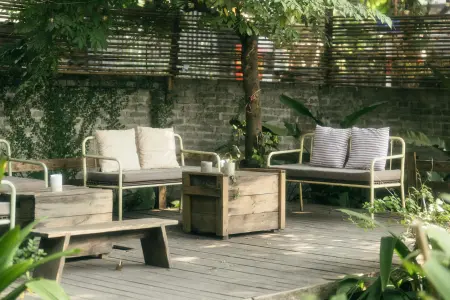
Small urban city gardens often act as an extension of the home. With careful planning, they become outdoor rooms, spaces for dining, relaxing, entertaining or simply unwinding after a long day’s work.
Their enclosed and sheltered nature can create favourable microclimates. Protected from strong winds, they can be ideal environments for growing more delicate plants that might struggle in exposed rural settings. Tender perennials, climbers and ornamental foliage can thrive when positioned correctly.
In a densely built environment, these gardens provide a vital injection of greenery and wildlife habitat. Even the smallest courtyard can support pollinators, birds and beneficial insects, contributing to biodiversity within the urban fabric. There is also usually convenient access to a water supply, making maintenance and irrigation simpler than in larger rural gardens.
And from a property perspective, a well-designed and thoughtfully executed urban garden can significantly increase value, particularly for buyers who want access to green space while remaining close to a city centre. In short, limitations exist, but so do exceptional opportunities.
What is The Limitations of Urban City Garden Design Model?
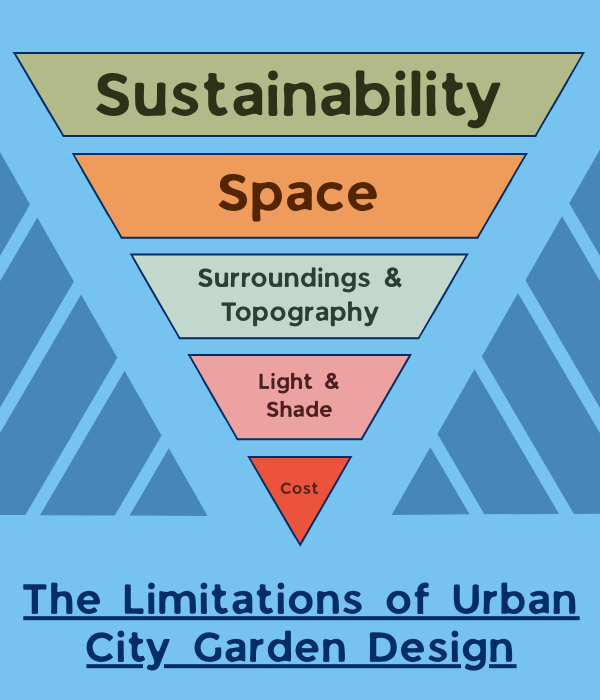
The Limitations of Urban City Garden Design model is a conceptual model that identifies and prioritises the constraints designers face when working with small urban city gardens. This model will be illustrated in an accompanying infographic.
It is structured vertically, with the most dominant and influential limitations placed at the top. These are the constraints that have the greatest impact on design decisions and must therefore be addressed first.
As the scale descends, the limitations become progressively less restrictive or more adaptable. Those at the bottom of the model, while still important, can be resolved later in the design process or adjusted.
From top to bottom, the limiting factors are:
- Sustainability
- Space
- Surroundings and Topography
- Light and Shade
- Cost
Sustainability Across the Design Process
Sustainability sits high on the scale, not because it overrides physical limitations, but because it should sit in the mind of every garden designer throughout the entire process. With the accelerating rate of climate change, sustainability cannot be an afterthought. It must filter through every design decision.
What is the point in designing a garden that is not built to last? Longevity, environmental responsibility and resilience are integral to good design.
Sustainability intersects with space, soil, light and materials. Choosing plants suited to existing light conditions reduces the need for excessive irrigation or replacement. Improving soil rather than replacing it reduces waste. Designing for longevity avoids premature refurbishment. A sustainable garden performs well environmentally and functionally over time.
Responsible Material Sourcing
Material selection carries environmental weight. Designers should consider where materials are sourced, how far they travel and the conditions under which they are produced. Locally sourced stone or timber reduces transport emissions and supports regional suppliers.
Peat-free composts are another key consideration. Peat extraction damages fragile peatland ecosystems, releasing stored carbon into the atmosphere and destroying habitats. Because peat forms extremely slowly, it takes approximately one thousand years for one metre of peat to form so its removal is effectively irreversible within human timescales. Using peat-free alternatives is therefore a more responsible choice.
Reclaimed materials also offer an opportunity. Bricks, paving or timber destined for landfill may remain structurally sound and full of character. Reusing materials reduces waste and embodied carbon while often adding aesthetic depth.
Water Management in Urban City Garden Design
Urban city gardens typically have access to mains water, but relying solely on it to maintain planting is neither sustainable nor cost-effective.
Rainwater harvesting systems, water butts and permeable surfaces allow water to be captured and reused during drier periods. Drought-tolerant planting schemes and improved soil structure can further reduce irrigation demands.
With increasingly unpredictable weather patterns, designing gardens that manage and retain water effectively is both environmentally responsible and practically wise.

Space
The second most influential factor on the urban city garden design limitations scale is space. This pertains to not just the area available, but certain elements found within the garden that can be hinderance or seen as an opportunity.
Surface Area and Layout
Small urban city gardens are limited in size, and every centimetre counts. Designers must allocate space for circulation, seating, planting, storage and any functional requirements the client may have.
The challenge lies in ensuring the garden does not feel overcrowded while still delivering on the client’s brief. Every decision from path width to the depth of a planting bed has spatial consequences. Careful zoning and considered layout planning are fundamental at this stage.
Existing Built Elements
Spatial limitation extends beyond what is immediately visible as open ground.
The “space” available also includes existing hard landscaping, boundary walls, outbuildings, raised thresholds and fixed structures. Removing or working around these elements will influence both cost and feasibility.
In small city gardens, particularly, retaining and repurposing existing features can often be more spatially efficient than starting from scratch.
Soil Volume and Quality
Is there usable soil present, or is the ground dominated by sub-base and rubble beneath old paving? Is the soil deep enough to support shrubs or small trees, or will raised beds be needed to create adequate rooting depth?
In compact gardens, soil volume is often more important than planting area. Without sufficient depth and quality, planting ambitions may need to be adjusted. But it is not just depth that matters; soil type is equally critical. Understanding the soil within the space informs both construction decisions and planting success.
Sandy soils are free-draining and easy to work, but dry out quickly and hold fewer nutrients, often requiring irrigation and improvement. Clay soils retain water and nutrients well but can become compacted and poorly drained, especially in previously built-on sites, affecting root health and hard landscaping stability.
Silty soils are fertile and moisture-retentive yet prone to compaction and erosion. Loam, a balanced mix of sand, silt and clay, offers good drainage and nutrient retention, though it is rarely found undisturbed in urban settings.
Knowing the soil type helps predict drainage behaviour, load-bearing capacity and plant performance. In small urban city gardens, where margins for error are limited, understanding what lies beneath is essential for confident design.
Vertical Space
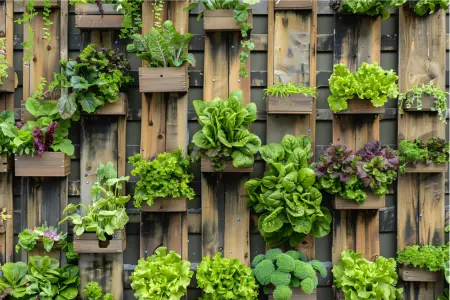
In small urban city gardens, vertical space is often the most underutilised asset. When ground area is limited, looking upward can unlock significant design potential. Walls, fences and boundary structures provide opportunities for climbers, wall-trained fruit, trellising, green walls or layered planting that draws the eye up and creates a sense of depth.
However, vertical design is not always about adding more. Sometimes, what already exists offers the greatest value.
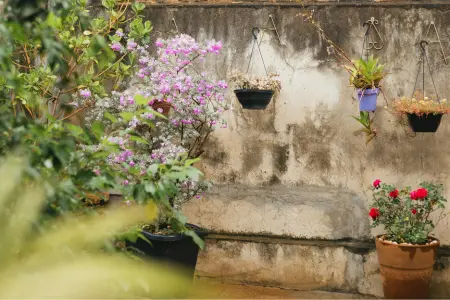
Exposed brickwork, aged render or weathered boundary walls can introduce texture, warmth and architectural character that would be lost if covered entirely. In certain spaces, allowing these surfaces to remain visible, softened perhaps by selective planting rather than concealed, creates authenticity and visual richness.
Using vertical space effectively is therefore about balance: knowing when to introduce greenery for softness and when to celebrate the structure itself as part of the garden’s identity.
Surroundings and Topography
The third tier of The Limitations of Urban City Garden Design model considers context, what surrounds the garden and the physical form of the land itself.
In urban settings, the garden rarely exists in isolation; it is shaped by neighbouring buildings, regulations and ground conditions. Surroundings and topography can affect factors such as light within a garden, which is why it has been placed above the light and shade category.
Overlooking and Visual Dominance
Urban city gardens are often overlooked. Adjacent properties may sit at varying roof heights, visually dominating the space. Large buildings can cast prolonged shade, while upper-storey windows from neighbouring homes may compromise privacy.
These factors influence screening strategies, planting height, and the positioning of seating areas. Privacy and comfort must be considered alongside aesthetics.
Using Surrounding Structures Creatively
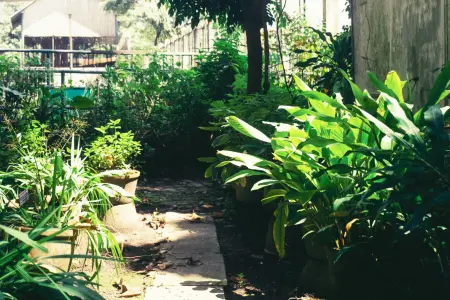
While neighbouring buildings can present challenges, they also offer opportunities. Tall boundary walls can support green walls or climbing plants, adding softness and biodiversity. A simple climber trained along brickwork can break up harsh lines and introduce seasonal interest.
Alternatively, an exposed brick wall may be intentionally retained to provide texture, warmth and architectural character. The key is deciding whether to conceal, soften or celebrate what already exists.
Regulatory Considerations
Regulatory considerations pertain to legal and planning constraints. Is the property located within a conservation area? Are there tree preservation orders (TPOs) in place? Restrictions such as these may influence material choices, tree works or structural alterations. Understanding regulatory limitations early prevents costly revisions later in the project.
Topography and Levels in Urban City Garden Design
Topography plays a significant role in how a space functions. Is the garden sloped, requiring terracing or retaining structures? Could a low-lying section create a frost pocket where cold air settles? Or is the site relatively flat and straightforward to work with? Even subtle level changes affect drainage, usability and planting opportunities.
Underground Constraints
What lies beneath the surface is often more restrictive than what sits above it. Drainage runs, inspection covers, foundations and underground services must all be factored into the design. In many Victorian terraces, for example, gardens may conceal a network of pipes running through multiple properties.
These invisible constraints directly affect where planting beds can be positioned and how deeply excavation can occur. Ignoring underground realities can lead to costly redesigns later in the process.
Soil Structure and Composition
Soil structure refers to how soil particles, sand, silt and clay are arranged and bound together. This directly affects drainage, aeration, root development and even the stability of built elements. Understanding soil composition informs planting choices, drainage design and foundation preparation.
Sandy soils are free-draining and easy to excavate, making them favourable from a construction perspective. However, they dry out quickly and can struggle to retain nutrients.
Clay soils hold water and nutrients effectively but are prone to compaction and poor drainage. In small urban city gardens, where the ground has often been compressed during construction, clay can create waterlogging issues and affect hard landscaping foundations.
Silty soils are fertile and moisture-retentive but can compact easily and become unstable when disturbed. Loam, a balanced mix of sand, silt and clay, provides the most workable conditions, offering both drainage and nutrient retention. True loam, however, is rarely found undisturbed in heavily developed urban environments.

Excavation and Soil Improvement
In some urban city gardens, significant excavation may be required to remove rubble, sub-base or contaminated material. However, large-scale removal and replacement of soil has both financial and environmental implications.
Where possible, improving existing soil can reduce cost and environmental impact. Incorporating organic matter, improving drainage or alleviating compaction may restore soil health without full replacement. Minimising excavation also reduces waste sent to landfill and lowers transport emissions, linking soil decisions directly to sustainability and budget considerations.
Soil Nutrients and Organic Matter
Soil structure and nutrient content are separate issues. A soil may drain well but lack essential nutrients required for plant growth; sandy soil is a prime example. Indicators of nutrient levels can often be observed through existing vegetation. Poor growth, chlorosis (yellowing leaves) or sparse coverage may suggest deficiencies.
Organic matter, well-rotted compost and targeted fertilisers can improve nutrient availability. In more extreme cases, importing high-quality topsoil may be necessary to create a healthy growing medium. The decision depends on the balance between improvement, cost and environmental responsibility.
Soil pH
Soil pH is another critical factor that must be tested for and identified. Your soil’s pH level determines how readily plants can access nutrients, and this may differ depending on the preferred soil pH of the plant species.
Acidic soils, often associated with sand-based compositions, suit plants such as Rhododendrons, Camellias and Heathers, which thrive in lower pH conditions. Neutral soils can host a large variety of plants. Alkaline soils, commonly linked to chalky or lime-rich clay soils, are better suited to plants such as Lavender, Ceanothus and many Mediterranean species.
Designers must understand pH levels before finalising planting schemes. Without this knowledge, even well-structured soil may not support the intended plant palette. In small urban city gardens, where margins for error are limited, understanding soil structure, nutrients and pH is fundamental to long-term success.

Light and Shade
Light is the fourth most influential limitation within the scale. In urban environments, particularly, it has a profound effect on both plant performance and human experience within the garden.
Even though it sits lower on the scale, it is still an important factor to consider. In urban city gardens, light can often be influenced by the surroundings and pre-existing structures, hence why it sits below the surroundings and topography limitations.
Understanding Light Movement
In a built-up setting, surrounding buildings frequently cast shade across parts and sometimes all of the garden. Understanding how sunlight moves through the space throughout the day and across the seasons is critical.
Aspect plays a role here. A south-facing garden would traditionally be considered sunny, while a north-facing one may receive less direct light. However, in urban environments, aspect alone is not definitive.
Tall neighbouring buildings can overshadow even a south-facing space, significantly reducing the hours of direct sunlight it receives. A thorough site analysis observing light at different times of day is therefore essential before design decisions are made.
Planting and Light Levels
Light levels directly dictate plant choice. Sun-loving perennials will struggle in deep shade, while woodland species may scorch in prolonged exposure. It is important that you select the right plant to go in the right place.
Some city gardens receive very little direct sunlight, but this does not mean planting is limited. Shade-tolerant species, layered planting schemes and textural foliage can thrive in low-light conditions.
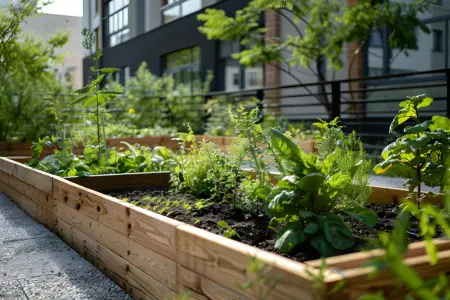
Designers can also position planting beds strategically, placing them where light does fall or raising beds slightly to maximise available exposure and improve drainage and soil warmth. By responding proactively to light conditions rather than resisting them, planting can feel intentional and robust.
Temperature and Microclimate
Light has a direct relationship with temperature. Gardens that receive prolonged sunlight tend to have warmer surfaces and soil, while shaded gardens remain cooler and may retain moisture for longer.
Warmer conditions can increase soil heating rates and extend the growing season, particularly in sheltered, sun-trapping courtyards where microclimates are created. Conversely, reduced light can mean cooler air and soil temperatures, which may slow plant growth and affect the survival of tender perennials.
Understanding this relationship allows designers to predict plant performance and create comfortable outdoor environments.
Human Experience and Seating
Light also shapes how clients use and enjoy the garden. Where does the sun land in the late afternoon or early evening? That location may be ideal for a seating area.
Morning light might suit a breakfast terrace, while dappled midday shade could create a comfortable retreat during hotter months. Designing in response to light ensures the garden feels inviting and usable throughout the day, rather than unintentionally cold or overexposed.
Cost of Urban City Garden Design
Some may consider it controversial to place cost at the bottom of the urban city garden design limitations model, particularly in the current economic climate. Budget undeniably influences what can be achieved.
However, good design does not necessarily require tens of thousands of pounds. A carefully considered layout, well-chosen materials and strategic planting can transform even the most modest urban plot into a private oasis.
The key lies in prioritisation, intelligent decision-making and creative design. That said, cost must still be grounded in reality. There is little value in designing a scheme that is entirely unattainable for the client.
Budget should inform the brief from the outset, guiding material choices, construction methods and planting scale. When addressed transparently and early in the process, cost becomes a framework for creativity rather than a barrier to good design.
Other Considerations
While the Limitations of Urban City Garden Design model provides a structured framework for prioritising physical and environmental constraints, garden design is rarely shaped by site conditions alone. Several additional factors, not formally positioned within the scale, can significantly influence the outcome of a project.
Access to the Garden
Access is often underestimated until construction begins. In many urban settings, gardens can only be reached through narrow hallways, terraced houses or limited side passages. The absence of rear access may mean that all materials must pass directly through the home.
This affects: what materials can be brought in, timescale, as manual labour replaces mechanical access, cost, due to increased labour intensity and sustainability, as restricted access may limit the feasibility of reusing heavy reclaimed materials or installing large features. Understanding access constraints early prevents unrealistic specifications and logistical challenges later.
Client Preferences
Although not positioned within the formal scale, client preference is arguably one of the most influential factors in garden design. A garden ultimately belongs to the client. If they dislike a particular plant, material or style, it will not appear in the final scheme, regardless of how sustainable, cost-effective or technically suitable it may be.
This is why flexibility and alternative options are important. A good designer balances professional guidance with client vision, offering backup solutions that maintain design integrity while respecting personal taste. Successful gardens are collaborative outcomes, not theoretical exercises.
Availability of Plants and Materials
Design ideas must align with real-world availability. Sourcing sustainable or locally produced materials can sometimes be challenging or significantly more expensive. Certain reclaimed products may be limited in quantity or inconsistent in quality.
Plant availability is equally seasonal. Some species may not be obtainable at particular times of year, especially larger specimen plants. Substitutions may be required, or planting may need to be phased according to nursery stock cycles. Design must remain adaptable to supply realities.
Maintenance and Long-Term Management
A further factor not yet considered is maintenance. There is little value in designing a complex planting scheme or intricate detailing if it exceeds the client’s capacity, or willingness, to maintain it. Urban lifestyles can be busy, and some clients may prefer low-maintenance, structured schemes over highly horticultural designs.
Maintenance considerations influence plant selection, irrigation planning, material durability and overall layout. A sustainable garden is not just environmentally responsible, it is maintainable over time.
Time and Construction Constraints
Another limiting factor is time. Projects may be tied to property sales, seasonal deadlines or personal milestones. Planning permissions or conservation approvals can also delay implementation.
Weather conditions, particularly in urban sites with restricted drainage, may further influence build schedules. Time constraints can shape phasing strategies, material selection and planting plans. Designing with flexibility allows the garden to evolve if installation must occur in stages.
Conclusion
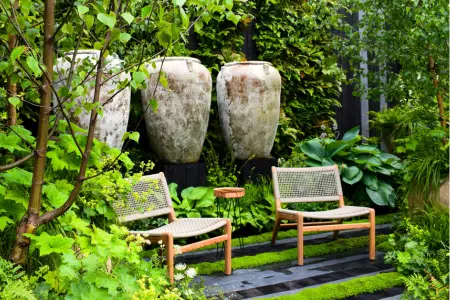
Urban city garden design is shaped by limitations, but those limitations do not have to restrict ambition. By understanding and applying the Limitations of Urban City Garden Design model, designers can approach small urban city gardens methodically, addressing the most influential constraints first and resolving secondary factors in turn.
In doing so, what begins as a confined, overlooked and compact space can become something extraordinary, a functional, beautiful and sustainable extension of the home within the heart of the city.
References
Further Reading
Nature’s Compass: a Journey Across North, South, West and East-Facing Gardens
A Cleaner Norfolk Through Sustainable Landscaping
Small Garden Ideas for a Big Impact