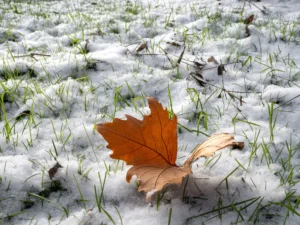

When December arrives, it’s easy to assume that gardening takes a back seat until spring. Shorter days, colder temperatures and the threat of frost might make the garden seem like a place to admire from indoors rather than somewhere to get your hands dirty. However, December is far from a wasted month for gardeners.
In fact, winter offers some fantastic opportunities to introduce new plants to grow in winter, establish trees and shrubs, and prepare your outdoor space for the year ahead. From colourful winter-flowering plants and spring bulbs to bare-root fruit trees and vegetables, there is still plenty you can get growing.
The secret is knowing what to plant and when. While some plants thrive when introduced during their dormant period, others need a little extra protection from the elements. With the right choices, even the quietest garden can offer seasonal colour, provide valuable habitats for wildlife and lay the foundations for a beautiful spring display. Whether you’re looking to brighten up your borders, add some structure to your garden or get a head start on next year’s harvest, here’s our guide to what to plant in December in the UK.
Five Winter-Flowering Plants Perfect for December Planting
One of the biggest misconceptions about winter gardening is that colourful flowers are reserved for the warmer months, but with the right initial winter garden ideas, this does not need to be the case. While the selection might be smaller, there are some wonderful plants that can bring colour, texture and even fragrance to your garden throughout December planting and beyond.
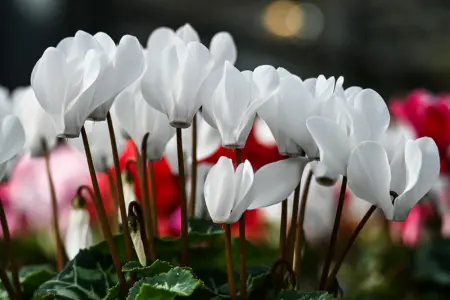
Plant Cyclamen
If you’re looking for a plant that can brighten up a winter border, hardy cyclamen are an excellent choice. Their delicate, butterfly-like flowers and attractive heart-shaped foliage provide a welcome splash of colour when much of the garden has entered dormancy. Depending on the variety, flowers can appear in shades of pink, magenta and white. Cyclamen coum is particularly useful for winter displays, with its flowers typically appearing between January and March.
Hardy cyclamen are well suited to partially shaded areas, making them ideal for planting beneath trees, around established shrubs or along woodland-style borders. They prefer humus-rich, well-drained soil and can gradually naturalise when conditions are suitable. Hardy cyclamen tubers can be planted during winter when the ground isn’t frozen. Plant them approximately 3–5cm deep, taking care not to bury them too deeply.
Hellebores
Often referred to as Christmas roses, hellebores are among the most recognisable winter-flowering perennials. Their beautiful, nodding flowers can appear from December onwards, depending on the variety and weather conditions. Available in an impressive selection of colours, including white, cream, pink, purple and deep burgundy, hellebores can introduce subtle elegance to otherwise bare winter borders.
They are particularly effective when planted in groups beneath deciduous trees or alongside other shade-loving plants. Once established, they are relatively low maintenance and can provide years of seasonal interest. Opt for a partially shaded position with moist but well-drained soil. Hellebores are particularly useful for filling areas where other flowering plants might struggle.
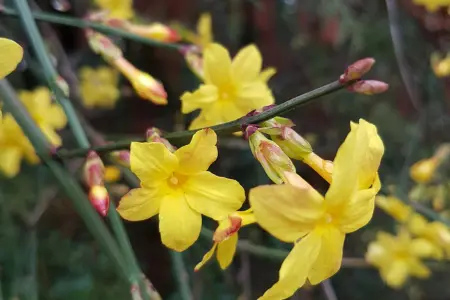
Winter Jasmine
For something a little more vibrant, winter jasmine offers a wonderful display of bright yellow flowers during the colder months. Unlike many flowering shrubs, winter jasmine can produce its cheerful blooms from late autumn through to early spring, depending on the weather. Its arching green stems also provide structure and interest when many other plants have lost their foliage.
Winter jasmine is particularly useful for covering walls, fences and trellises. It can also be trained to grow over arches or allowed to cascade down slopes and raised planting areas. Position winter jasmine somewhere with plenty of sunlight and well-drained soil. Although relatively hardy, it benefits from being established before particularly harsh weather arrives.
Witch Hazel
If fragrance and unusual flowers are high on your winter garden ideas wish list, witch hazel is certainly worth considering. This deciduous shrub produces distinctive, ribbon-like flowers in shades of yellow, orange and red. Its unusual blooms appear along bare branches during winter, creating an eye-catching display when the rest of the garden can look rather subdued.
Witch hazel works particularly well as a standalone specimen shrub, where its flowers and natural shape can be appreciated. Some varieties also offer attractive autumn foliage, making them a worthwhile investment for year-round garden interest. Select a sunny or partially shaded position with moist, well-drained, slightly acidic soil. Allow enough room for the shrub to develop its natural shape.
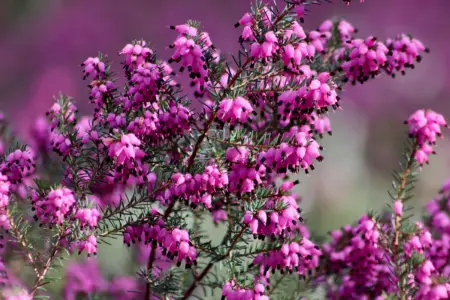
Winter Heather
Winter-flowering heathers are an excellent option for adding colour to low-growing borders, rock gardens and containers. Their compact growth habit and abundance of small flowers make them particularly useful for filling gaps in the garden. Depending on the variety, winter heathers can produce flowers in shades of pink, purple and white, often providing colour from late autumn through to early spring.
They are also a valuable source of nectar for pollinating insects on milder winter days when other food sources are limited. Most winter-flowering heathers prefer an open, sunny position and well-drained soil. Check the soil requirements of your chosen variety, as some prefer acidic conditions.
Make the Most of Bare-Root Planting Season
December planting isn’t just about flowers. It is also one of the best opportunities to introduce new trees, hedging and fruit bushes to your garden. This is because many deciduous trees and shrubs enter dormancy during the colder months. During this period, they can be lifted and sold bare-root, meaning they are supplied without a container and with their roots exposed or wrapped to prevent them drying out.
Bare-root plants are often more affordable than container-grown alternatives, making them an excellent option if you’re looking to introduce larger quantities of planting without stretching your budget. As long as the ground isn’t frozen or waterlogged, December is a good time to get these plants established. Here are some options to consider.
Fruit Trees
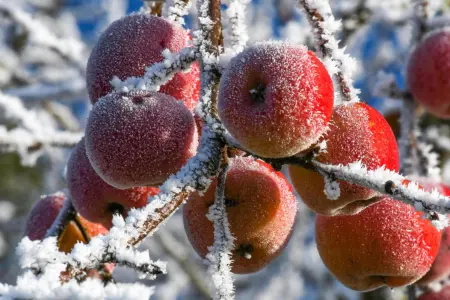
Whether you’re hoping to enjoy homegrown apples, pears or plums, December is a good opportunity to plant new fruit trees. Bare-root fruit trees are generally available throughout the dormant season and can be planted while the ground remains workable. Getting them into the ground during winter gives their roots an opportunity to establish before the growing season begins.
When choosing a fruit tree, consider the amount of space available, the eventual height and spread, and whether your chosen variety requires a pollination partner. Fruit trees can be used for more than just producing a harvest. A carefully positioned apple or pear tree can provide height, structure and seasonal interest, helping to create a garden that feels established and thoughtfully designed.
Fruit Bushes
If you have limited space, fruit bushes can be a fantastic alternative to larger fruit trees. Raspberries, blackcurrants, redcurrants and gooseberries are all worth considering during the bare-root planting season. They can be introduced into dedicated fruit-growing areas, incorporated into larger planting schemes or grown in suitable containers.
Once established, many fruit bushes will reward you with regular harvests while adding structure and greenery to the garden. Ahead of time, it is recommended that you check the eventual size and growing requirements of each variety before planting to avoid overcrowding. A hand winter gardening tip is that most fruit bushes benefit from a sunny position and fertile, well-drained soil.
Native Hedging
If you’re looking to improve privacy, introduce structure or create a more wildlife-friendly garden, December is an ideal time to consider bare-root hedging. Popular options include hawthorn, field maple, hazel, hornbeam and beech. A mixed native hedge can provide valuable shelter and nesting opportunities for birds, as well as food sources for wildlife throughout the year. It can also create a softer, more natural boundary than traditional fencing.
For a more formal appearance, a single-species hedge such as hornbeam or beech can provide an attractive and structured garden boundary. Plant bare-root hedging while the plants are dormant, following the recommended spacing for your chosen species and protect newly planted stems from rabbits and other animals where necessary.
Bare-Root Roses
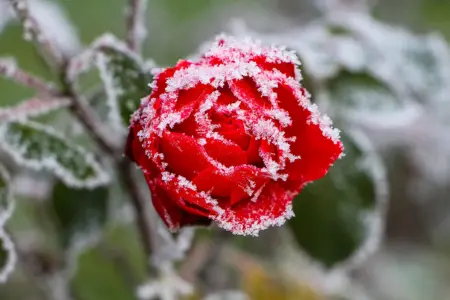
Roses are another excellent addition to consider in December. Bare-root roses are typically available throughout the dormant season and can be planted between autumn and spring, provided the soil isn’t frozen or waterlogged. From traditional English roses to climbing and shrub varieties, there are plenty of options to suit different garden styles.
Use climbing roses to soften walls, fences and pergolas, or introduce shrub roses into mixed borders for seasonal colour and fragrance. We would recommend that you avoid planting roses in areas where roses have previously been grown, as this can increase the risk of rose replant disease.
Plant Spring Bulbs Before It’s Too Late
Here’s a winter gardening tip. If you think that you’ve missed the opportunity to plant spring bulbs during autumn, don’t assume you’ve missed out entirely. Although many spring-flowering bulbs are best planted earlier in the season, December can still provide an opportunity to get certain varieties into the ground. Tulips are particularly suitable for later planting, provided the soil is workable and the bulbs are healthy.
Tulips
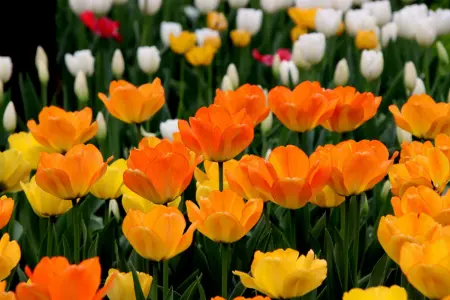
From bold reds and vibrant yellows to softer pastel shades, tulips offer an incredible range of colours and shapes. They are particularly effective when planted in groups, creating a striking display through borders, pathways and containers. Planting tulip bulbs in December is still possible, although later planting can sometimes affect flowering performance.
Snowdrops
Snowdrops can be another wonderful addition to your winter garden ideas, producing delicate white flowers that often emerge while much of the garden is still dormant. One important consideration is that snowdrops are generally best planted ‘in the green’, meaning shortly after flowering while their foliage is still visible. If you are planning to introduce snowdrops, look out for these established plants from specialist nurseries rather than relying on dry bulbs.
Winter Aconites
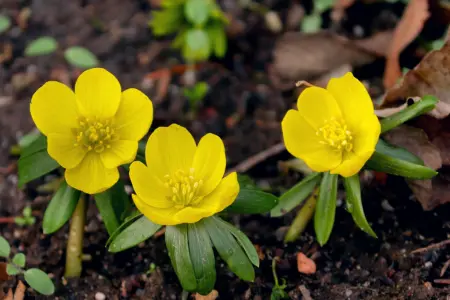
For something a little different, winter aconites produce cheerful yellow flowers that can appear as early as January. They are particularly effective when naturalised beneath deciduous trees or planted alongside snowdrops to create a woodland-style display.
Winter aconites are generally best established from tubers or plants during their recommended planting period, rather than treating December as their ideal planting month. If purchasing plants already in growth, plant them promptly. You could try combining snowdrops, winter aconites and cyclamen beneath deciduous trees to create a naturalistic planting scheme that gradually comes to life as winter progresses.
What Fruit and Vegetables Can You Plant in December?
You might be surprised to learn that December still offers opportunities for those considering what vegetables or fruit to grow in winter. However, unlike the warmer months, successful winter vegetable growing is more dependent on choosing suitable crops, understanding your soil conditions and providing enough protection from the elements. Here are some options worth considering.
Garlic
Garlic is one of the most worthwhile crops to consider planting in December, particularly in milder areas of the UK. It benefits from a period of cold weather, which helps with bulb development, and is relatively straightforward to grow. Choose a sunny position with free-draining soil and plant individual cloves with their pointed ends facing upwards.
Space them approximately 15cm apart, ensuring the tips are covered with soil. Garlic can struggle in heavy, waterlogged conditions, so if your garden has particularly wet soil, consider starting cloves in modules or containers instead.
Shallots
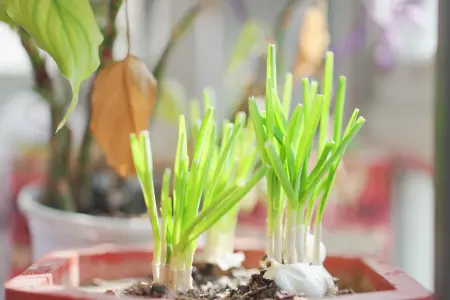
Shallots are another option for winter planting, although not all varieties are suitable. Some varieties can be planted during autumn or winter, producing clusters of bulbs ready to harvest during the summer. They are relatively easy to grow and are particularly useful for gardeners who enjoy cooking with homegrown produce. Choose a sunny position with fertile, well-drained soil and avoid winter planting in heavy ground that is prone to waterlogging.
Rhubarb
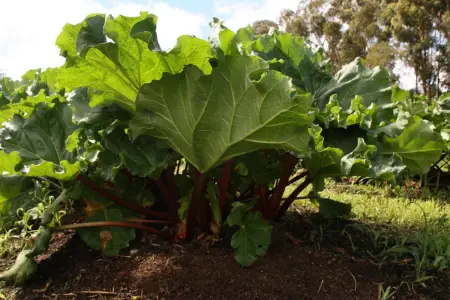
If you have the space for a permanent vegetable-growing area, rhubarb is an excellent addition. Rhubarb crowns can be planted during the dormant season, making them a suitable candidate for December planting, especially while the ground is still workable.
Once established, rhubarb can provide generous harvests for years to come, making it a worthwhile investment for anyone interested in growing their own produce. Choose a sunny or partially shaded position with fertile, moisture-retentive but well-drained soil. Allow plenty of room for the plant to develop, as established rhubarb crowns can become surprisingly large.
Microgreens
Not everything needs to be planted outside during December. Microgreens are an excellent option for anyone who wants to continue growing fresh produce indoors throughout winter. These young vegetable and herb seedlings can be harvested shortly after their first leaves develop, making them a relatively quick and convenient crop. Popular choices include radish, broccoli, mustard, pea shoots and sunflower. They can be grown in shallow trays on a bright windowsill, making them ideal for gardeners who don’t have access to a greenhouse or dedicated growing space.
Pea Shoots
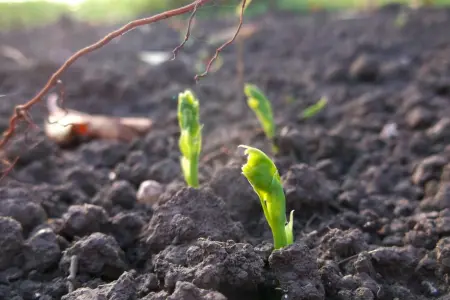
Similar to microgreens, pea shoots are a simple way to enjoy fresh, homegrown produce during the colder months. They are grown from pea seeds and harvested while the young shoots are still tender. All you need is a shallow container, suitable compost, pea seeds and a bright indoor position. Within a few weeks, you can have fresh shoots ready to add to salads, sandwiches and other dishes.
December isn’t generally the best time to start traditional outdoor crops such as carrots, spinach and kale from seed. These are better established earlier in the year, with established plants providing winter harvests. For December planting, concentrate on suitable garlic and shallot varieties, rhubarb crowns and indoor crops.
December Planting Pots, Containers and Displays
You don’t need a large garden or dedicated vegetable patch to enjoy December planting. Containers are a fantastic way to introduce colour and interest to smaller outdoor spaces, including patios, balconies, courtyards and front door entrances. In fact, carefully chosen winter containers can make a real difference to the appearance of your garden when many borders are looking bare. Here are three combinations worth considering.
A Colourful Winter Display
Another winter gardening tip is to combine winter-flowering heathers with hardy cyclamen and small evergreen plants to create a container that offers a lovely balance of colour, texture and structure. Choose heathers in shades of pink, purple or white to introduce seasonal colour, while cyclamen can provide delicate flowers and attractive foliage that help brighten up the display. Adding compact evergreen plants to grow in winter, such as small conifers or trailing ivy, will provide a consistent backdrop and ensure the arrangement retains its appeal even when flowers are no longer in bloom.
For added interest, experiment with plants of varying heights and growth habits, positioning taller evergreens towards the back and allowing lower-growing plants to spill gently over the edges. This creates a fuller, more natural-looking arrangement that can bring life to patios, doorways and other outdoor spaces throughout the winter months.
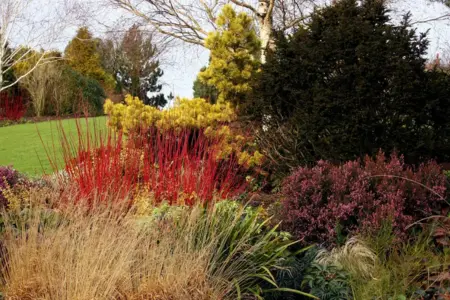
Image credit: Alamy
A Festive Front Door Arrangement
Create a welcoming entrance by combining compact evergreen shrubs, winter-flowering heathers, trailing ivy and seasonal foliage to create a container that remains attractive throughout the colder months. Mixing different heights, textures and shades of green will help add depth and interest, while winter-flowering plants can introduce subtle pops of colour when the rest of the garden is looking a little bare.
For a more festive touch, consider incorporating decorative branches, pine cones, berries or colourful stems such as dogwood to add contrasting colours and interesting shapes. You could also weave in some evergreen foliage from plants to grow in winter, such as holly or eucalyptus, to create a more traditional seasonal arrangement.
Position your container beside your front door or along an entrance pathway to create an inviting first impression. Not only is this a relatively simple way to brighten up your outdoor space during December, but it also offers an opportunity to introduce a little seasonal personality to your home’s entrance.
A Spring Surprise
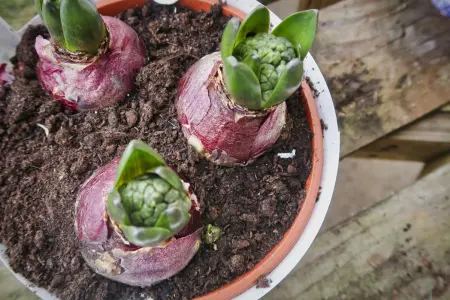
If you’re looking ahead to spring, use December to plant up containers with tulip bulbs. Layering different varieties and flowering times can create a more prolonged display, helping your garden transition from winter into spring. Ensure your pots have adequate drainage holes and raise them slightly using pot feet. This helps prevent water from collecting around the roots during particularly wet or frosty periods.

How to Protect Your New Plants During Winter
Knowing what to plant in December is only half the battle. Giving your new additions the best possible start is equally important. Cold temperatures, strong winds, heavy rainfall and frost can all create challenges for newly planted vegetation. Here are four simple ways to help protect your plants throughout winter.
Mulching
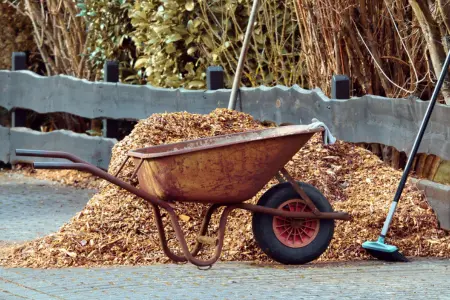
Applying a layer of organic mulch around newly planted trees, shrubs and perennials can help protect their roots and improve soil conditions. Materials such as well-rotted garden compost, leaf mould and composted bark can help insulate the soil, retain moisture and suppress unwanted weeds. Apply a layer around the base of your plants, taking care not to pile it directly against stems or trunks.
Protecting Against Frost
Some plants are more vulnerable to frost than others, particularly those growing in exposed positions or containers. Horticultural fleece can provide an additional layer of protection when particularly cold weather is forecast. For container-grown plants, consider moving vulnerable pots closer to the house or into a sheltered position. Remember that even hardy plants can suffer if their roots become waterlogged and frozen.
Providing Shelter from Strong Winds
Cold winds can cause considerable damage to newly planted vegetation, particularly young trees, shrubs and climbing plants. Consider positioning vulnerable plants near existing walls, fences or established planting that can provide some protection. Newly planted trees may also benefit from appropriate staking to help prevent excessive movement in strong winds.
Improving Drainage for Your Winter Garden Ideas
Winter rainfall can be just as damaging as frost, particularly in gardens with heavy or poorly drained soil. Waterlogged ground reduces the amount of oxygen available to plant roots, increasing the risk of root damage and disease. Avoid planting when the ground is saturated, and consider raising containers onto pot feet to prevent them sitting in standing water. If drainage is a recurring problem, it may be worth investigating longer-term improvements to the garden rather than relying on temporary solutions.
Make December the Month You Plan for Spring
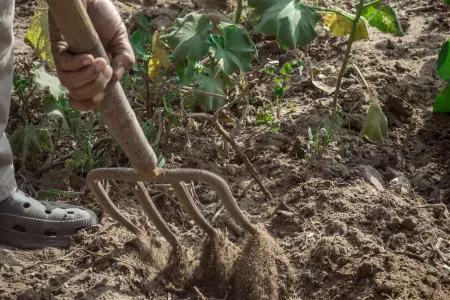
Perhaps one of the most valuable things you can do in December is start thinking about how you want your garden to look when the warmer weather returns. With much of the garden entering dormancy, it becomes easier to assess its overall structure and identify areas that could benefit from improvement.
Take a step back and consider the following:
- Are there areas that feel empty during winter? Evergreen shrubs, ornamental trees and carefully positioned structural planting can help provide year-round interest.
- Would additional spring bulbs, winter-flowering shrubs or summer perennials help create a more balanced planting scheme?
- Could you introduce native hedging, berry-producing shrubs or additional flowering plants to provide food and shelter?
- Are there areas that could benefit from improved pathways, additional seating or better-defined planting borders?
- If you’ve been considering a garden makeover, winter is an excellent time to start exploring ideas and preparing for landscaping work ahead of spring.
A well-designed garden should offer something to enjoy throughout the year, rather than looking its best for just a few months. Thinking about seasonal interest now can help you create an outdoor space that feels attractive, practical and welcoming in every season.
Frequently Asked Questions About What to Plant in December
Is December too late to plant anything in the garden?
Not at all. December is an excellent time to plant bare-root trees, hedging, fruit bushes and roses, provided the ground isn’t frozen or waterlogged. You can also plant hardy cyclamen, certain bulbs and suitable varieties of garlic and shallots.
What flowers can I plant in December in the UK?
Hardy cyclamen, hellebores and winter-flowering heathers are all worth considering. You can also plant tulip bulbs for a spring display, provided the soil conditions are suitable.
Can I plant shrubs and trees in December?
Yes. December falls within the dormant planting season for many deciduous trees and shrubs. Bare-root varieties are particularly suitable, although you should always avoid planting in frozen or waterlogged soil.
Can I plant bulbs in December?
Yes, although some varieties are better suited to later planting than others. Tulips can still be planted in December, but earlier planting is generally preferable for many spring-flowering bulbs. Snowdrops are often best planted in the green after flowering.
What vegetables can I grow in December?
Garlic and certain varieties of shallots can be planted outdoors in mild areas with free-draining soil. Rhubarb crowns can also be planted while dormant. Indoors, microgreens and pea shoots are excellent options for growing fresh produce throughout winter.
Should I water newly planted plants in winter?
Newly planted trees, shrubs and other plants may need watering after planting, particularly if the soil is dry. However, winter rainfall often provides sufficient moisture. Check the soil regularly and avoid overwatering, especially in heavy or poorly drained ground.
How do I protect new plants from frost?
Apply an appropriate layer of mulch around roots, use horticultural fleece for vulnerable plants and move susceptible container-grown plants into sheltered positions. Avoid working the soil or planting when it is frozen.
Summarising Planting in December
December might not be the busiest month in the gardening calendar, but that doesn’t mean your outdoor space has to be forgotten until spring. From introducing winter-flowering plants and establishing bare-root trees to planting garlic and preparing containers for a colourful spring display, there are plenty of ways to make the most of the colder months.
The key is choosing plants to grow in winter that are suited to the season, understanding your garden’s growing conditions and giving new additions the protection they need to establish successfully. More importantly, December is the perfect opportunity to start thinking about the bigger picture. Whether you’re looking to introduce more seasonal colour, create a wildlife-friendly planting scheme or completely transform your outdoor space, a little planning now can make all the difference when spring arrives.
At Norfolk Garden Services, we believe a well-designed garden can be enjoyed throughout the year, especially if you implement the correct winter garden ideas during your planning. If you’re looking for inspiration or considering a garden redesign, we’d love to hear about your ideas.
References
Further Reading
7 Essential Winter Lawn Care Tips for UK Gardens
Winter Gardening Myths Debunked
Winter Perennial Protection: Shielding your Garden from the Cold