

As the days become shorter and the leaves begin to turn shades of red, orange and gold, the garden enters a quieter season. But October is far from a month for putting your feet up. In fact, autumn is one of the best times of year to get new plants established, giving them the opportunity to settle in before the growing season begins again.
What should you plant in October?
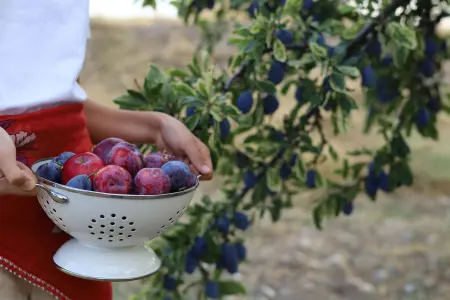
One of the biggest opportunities this month is bare-root fruit trees. From traditional apple and pear trees to plums and cherries, planting fruit trees in autumn can give them an excellent start and, with the right care, provide you with homegrown fruit for years to come.
October is also a good time to plant a range of hardy perennials and spring-flowering bulbs, helping you prepare your garden for colour and interest well beyond winter.
In this guide, we explore some of the best things to plant in October, with a particular focus on bare-root fruit trees and how to give them the best possible start.
Bare-Root Fruit Trees: One of the Best Things to Plant in October
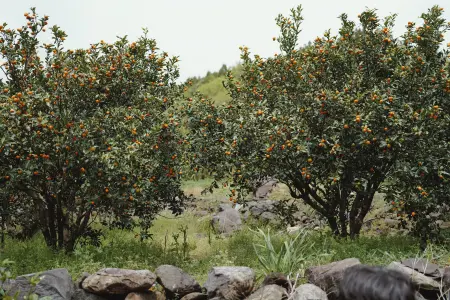
If you’ve ever considered growing your own fruit, October is an excellent time to start planning and planting.
Bare-root fruit trees are sold without a pot or soil around their roots. Instead, they are lifted from the ground while dormant and supplied with their roots exposed. This makes them particularly well suited to planting during the colder months, when the tree is not actively producing new leaves or shoots.
Bare-root trees are generally available from late autumn through winter, making October a great time to begin looking at what’s available before popular varieties sell out.
There is a huge selection to choose from, including:
- Apple trees that range from traditional cooking apples to sweet dessert varieties.
- Pear trees are ideal for a sunny, sheltered position.
- Plum trees can be both productive and attractive, with spring blossom followed by fruit.
- Cherry trees are ordinarily valued for both their blossom and delicious summer fruit.
- Damsons and gages are excellent choices if you’re looking for something a little different.
When selecting a fruit tree, it’s important to consider more than simply the type of fruit you enjoy. The mature size of the tree, rootstock, pollination requirements, soil conditions and available space can all influence which variety will work best in your garden.
This is particularly important in smaller gardens, where choosing a suitable rootstock can help prevent a fruit tree from eventually becoming too large for its surroundings.
Benefits of Planting Bare-Root Fruit Trees in Autumn?
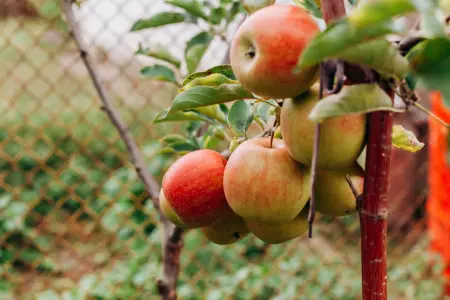
Autumn is a popular time for planting fruit trees for several reasons. One of which is that during autumn and winter, deciduous fruit trees enter dormancy. Although there may be little visible growth above ground, the roots can keep developing while the soil remains relatively warm.
This means that when spring arrives and temperatures begin to rise, a well-established tree is already in place and ready to make the most of the new growing season.
Bare-root trees are also often more affordable. Because bare-root trees are lifted and supplied without a container and large volume of growing media, they are often less expensive than container-grown trees.
They’re also considerably lighter and easier to handle, which can make planting a much simpler job as well as being ready to put straight into the ground without the need to tease apart dense roots that have become pot-bound.
Another benefit of choosing to plant bare-root fruit trees during the Autumn is that there is often a wider choice of varieties. Bare-root season can offer access to a wide selection of fruit trees and cultivars. If you’re looking for a particular apple, pear or plum variety, it is worth researching and ordering early rather than waiting until spring.
Autumn planting can also reduce transplanting stress. Planting a tree while it is dormant means it isn’t trying to support a canopy full of leaves while simultaneously establishing itself in its new location. With the right planting conditions and aftercare, this can help the tree settle into its new surroundings before active growth begins.
The Cons of Planting Bare-Root Fruit Trees in October
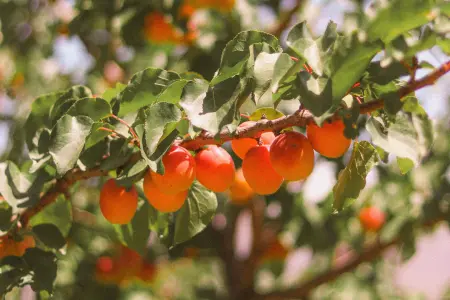
There are many benefits to planting bare-root fruit trees in October, but there are also some cons that people must consider to increase the potential for healthy plant growth over the colder months.
The first being that they tend to have a limited planting window. Unlike container-grown fruit trees, which can generally be planted at various points throughout the year when conditions are suitable, bare-root trees are only available and suitable for planting during their dormant season. This means you need to be prepared to plant them when they arrive; any delays can inhibit the plants’ opportunity for successful growth.
Another con is that the roots must not be allowed to dry out, which can be a tricky feat when trees are shipped globally from different locations. This is one of the most important considerations. Bare roots have no surrounding soil or compost to protect them from drying out. If you aren’t ready to plant your tree immediately, the roots need to be kept protected and moist. Leaving them exposed to wind, sun or warm temperatures can cause damage.
Bare-root fruit trees can be more vulnerable during poor planting conditions and should not be planted into ground that is frozen, waterlogged or excessively dry. Unusually warm autumn weather can also complicate planting, particularly if the tree hasn’t fully entered dormancy.
They tend to also have less immediate visual impact. A bare-root fruit tree can look rather underwhelming when it first arrives. With no leaves and little visible growth, it may not look like much compared with a healthy, leafy container-grown tree. However, this is simply a result of the tree being dormant and shouldn’t be mistaken for poor health.
Careful variety selection is important. Choosing the wrong rootstock, variety or pollination partner can cause problems further down the line. Before purchasing, consider how large the tree will eventually become, whether your garden can accommodate it and whether another compatible fruit tree is needed for good pollination.
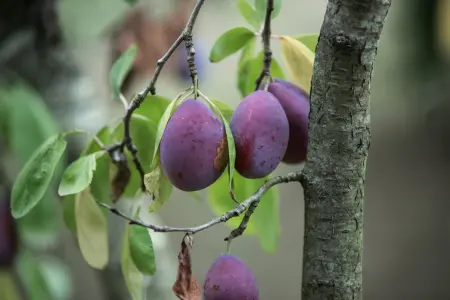
Bare-Root or Pot-Grown?
Ultimately, the best choice depends on your garden, budget and planting plans. Bare-root fruit trees can offer excellent value and are particularly well suited to creating productive planting schemes during the dormant season, while container-grown trees provide greater flexibility over when you can plant.
Whichever option you choose, selecting the right variety and planting it in a suitable position will have a much greater influence on its long-term success than simply choosing between bare-root and container-grown.

How to Plant a Bare-Root Fruit Tree
Getting the planting process right is important. A good start can make a significant difference to the long-term health and productivity of your tree. Here is a step-by-step guide to help you successfully plant your bare-root fruit trees this Autumn.
-
Choose the right location
Most fruit trees perform best in a sunny, open position with well-drained soil. Avoid areas where water regularly sits around the roots, as prolonged waterlogging can cause problems. Consider the tree’s eventual size too. It may look small when you first plant it, but fruit trees need sufficient space for their roots, branches and canopy to develop.
-
Prepare the roots
If your bare-root tree cannot be planted immediately, keep the roots protected and moist. Before planting, inspect the roots and remove any that are damaged or broken. If necessary, the roots can be soaked in water for a short period before planting to help rehydrate them. Avoid allowing the roots to dry out.
-
Dig a suitable planting hole
The hole should be wide enough to accommodate the roots comfortably without bending or forcing them into position. Break up any compacted soil around the sides and base of the hole, allowing the developing roots to move out into the surrounding soil. It’s important not to plant the tree too deeply. The graft union, the swollen area where the chosen fruit variety has been grafted onto the rootstock, should remain clearly above soil level.
-
Position the tree and backfill
Place the tree in the hole, spreading the roots naturally rather than forcing them into a tight circle. Backfill with the excavated soil, gently firming it around the roots to remove large air pockets. Avoid excessively compacting the soil.
-
Water thoroughly
Give the newly planted tree a good watering after planting. This helps settle the soil around the roots and provides essential moisture while the tree becomes established. Continue to monitor it during prolonged dry periods, particularly if autumn or winter conditions are unusually dry.
-
Mulch around the base
Applying a layer of organic mulch around the tree can help retain soil moisture, suppress competing weeds and provide additional organic matter as it breaks down. Keep mulch away from direct contact with the trunk, as consistently damp conditions around the base can encourage problems.
-
Support the tree if necessary
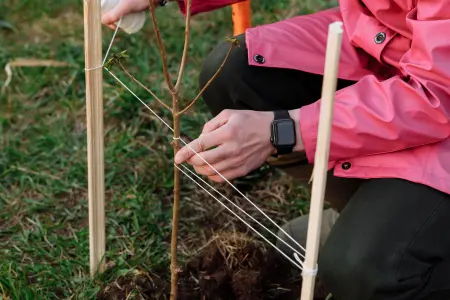
Young fruit trees may benefit from a suitable stake and tie, particularly in exposed gardens where strong winds could disturb the newly planted root system. The support should allow a small amount of natural movement rather than holding the trunk completely rigid.
Which Fruit Tree Should You Choose?
Choosing a fruit tree isn’t simply about deciding between an apple, pear or plum. Think about your garden and how you want to use the space.
For example, a smaller garden may benefit from a compact fruit tree or a tree trained against a wall or fence. A larger garden could accommodate several different varieties, creating a productive mini orchard.
It’s also worth considering pollination. Some fruit trees are self-fertile, while others produce better crops when another compatible variety is growing nearby. If you’re only planting one tree, checking its pollination requirements before buying is essential.
If you’re unsure which fruit tree would work best for your garden, professional garden design can help you consider the tree alongside the wider planting scheme, available space and long-term maintenance requirements.
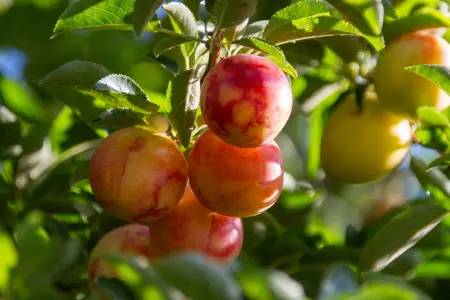
How Are Warmer Autumns Affecting Bare-Root Fruit Tree Planting?
Autumn planting has traditionally been associated with cooler temperatures, falling leaves and the beginning of dormancy. However, autumn temperatures are becoming less predictable, with warmer conditions sometimes extending further into the season. This is something gardeners should consider when planting bare-root fruit trees.
Bare-root trees are best planted when they are fully dormant and have naturally lost their leaves. Planting too early, while the tree is still actively growing, or during unusually warm conditions can create additional challenges. Here are three considerations to keep in mind:
Has the tree fully entered dormancy?
If October remains unusually warm, some fruit trees may still have leaves attached or may not have fully entered dormancy. Planting a bare-root tree before it has properly shut down for winter can place additional stress on the plant as it adjusts to its new location. Don’t feel that you have to plant simply because the calendar says October. Check that the tree is dormant before planting and follow the advice provided by your nursery or supplier.
Can Warmer, drier conditions increase the risk of roots drying out?
Bare-root trees have no surrounding compost or container to protect their roots. During a warm, dry autumn, exposed roots can lose moisture surprisingly quickly. Once the roots dry out, the tree can suffer significant stress and may struggle to establish successfully. This can be particularly important if there is a prolonged period without rainfall following planting. Keep the roots protected, cool and moist from the moment the tree arrives until it is planted.
Once planted, water the tree thoroughly and continue checking the soil during prolonged dry spells. Avoid allowing the roots to sit in waterlogged conditions, however. The aim is to maintain moisture without saturating the soil.
Can mild weather encourage continued growth and delay establishment?
A particularly mild autumn can mean plants continue growing later into the year than expected. This can affect the timing of bare-root planting and may be followed by a sudden change to cold or freezing conditions.
A newly planted tree that has not had sufficient time to establish its root system can be more vulnerable to these fluctuations.
Focus on soil and tree conditions rather than simply following a date on the calendar. Plant when the tree is dormant, and the ground is workable, avoiding periods when the soil is frozen, waterlogged or excessively dry.
After planting, applying a layer of mulch can help buffer changes in soil temperature and moisture. In exposed locations, a suitable stake and tie can also help prevent newly planted trees from being rocked by strong winds before their roots have properly anchored into the surrounding soil.
Perennials to Consider for October Planting
While bare-root fruit trees have the spotlight in this ‘What to Plant in October’ article, there are also several perennials to consider for your garden. Here are some excellent examples of perennials that will flourish in the coming year when planted in October:
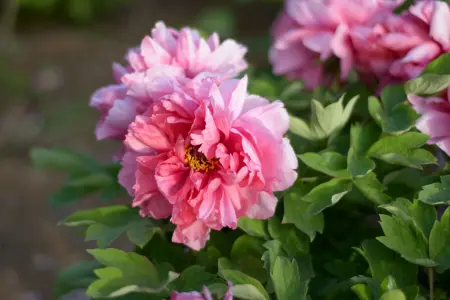
Peonies
Beloved for their large, fragrant, and exquisite blooms, making them a classic addition to gardens. They come in a variety of colours, from soft pastels to rich, deep hues. A cool fact about peonies is that they have a rich history and have been cultivated for over a thousand years, making them a symbol of good fortune, prosperity, and happiness.
Irises
Known for their vibrant and diverse range of colours, and they’re a favourite among gardeners for their unique, sword-shaped leaves. A cool fact about irises is that they get their name from the Greek word for “rainbow,” reflecting the wide spectrum of colours they can exhibit.
Hardy Geraniums
Also known as Cranesbills, they are appreciated for their low-maintenance nature and their ability to thrive in different garden conditions. They produce delicate, saucer-shaped flowers. A cool fact about hardy geraniums is that they are named after the shape of their seed capsules, which resemble the beak of a crane.
Heuchera
Commonly known as Coral Bells, they are versatile perennials with vibrant foliage in shades of green, purple, and silver. They are prized for their attractive leaves, which come in a variety of shapes. A cool fact about Heuchera is that they are native to North America and have a long history of traditional medicinal use.
Plant Spring Bulbs Now
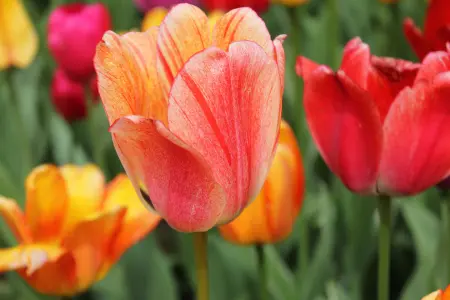
Planting bulbs is a surefire way of answering the question ‘What to Plant in October’ and ensuring a breathtaking garden in the upcoming spring. While I can touch on a few bulb varieties here, I recommend checking out our in-depth blog article on “Bulbs to Plant in October” for a comprehensive guide. In that article, we delve into the specific needs, care, and stunning beauty that various bulbs bring to your garden. From cheerful daffodils to elegant tulips, October is the perfect time to start creating a vibrant tapestry of colours that will brighten your outdoor space when spring arrives. So, don’t miss the opportunity to explore the world of bulb gardening and discover the joys it can bring to your garden. Head to the Contact Us page to find out more.
Make the Most of Your Garden This October
October may signal the end of summer, but it certainly isn’t the end of the gardening year.
From planting a bare-root apple or pear tree to introducing long-lived perennials and spring-flowering bulbs, there are plenty of ways to make productive use of the autumn planting season.
For fruit trees in particular, a little planning now can provide years of enjoyment later. Choosing the right variety, planting it correctly and considering its eventual size can make all the difference between a tree that struggles and one that becomes a productive feature of the garden.
If you’re considering adding fruit trees, refreshing your planting scheme or making better use of your garden this autumn, Norfolk Garden Services can help you plan a garden that works for both your space and your lifestyle.
Get in touch with Norfolk Garden Services to discuss your garden design or landscaping project.
Further Reading
If you’d like to further explore autumnal and winter gardening, we’ve put together a selection of useful resources to help you get the most out of this time of year.
Best Bulbs to Plant in September
Winter Gardening Myths Debunked
Winter Perennial Protection: Shielding your Garden from the Cold