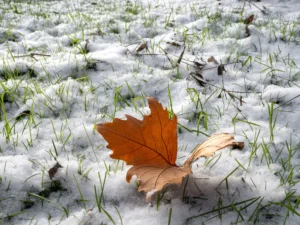

As autumn gives way to winter, shorter days, colder temperatures, and persistent rainfall can take their toll on your lawn, making your winter lawn care strategy all the more important. Although grass growth slows during the colder months, your lawn still needs some attention to remain healthy and recover well when spring arrives.
The good news is that effective winter lawn care doesn’t have to involve hours of gardening. A few well-timed tasks in autumn, followed by some simple winter lawn maintenance, can help protect your grass against waterlogging, frost damage, fungal diseases and unnecessary wear.
Whether you have a small garden lawn or a large stretch of grass, this guide explains how to prepare your lawn for winter, which jobs to prioritise and what to avoid when the weather turns cold.
The 7 Essential Winter Lawn Care Tips
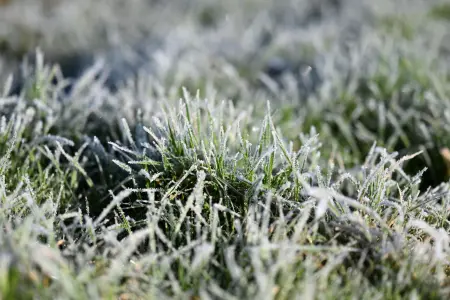
Preparing your lawn for the colder months doesn’t have to be complicated. With a few simple steps, you can protect your grass from frost, excess moisture and winter damage while giving it the best chance of thriving when spring arrives. Here are seven essential winter lawn care tips to help keep your lawn healthy, resilient and ready for the year ahead.
Step 1: Rake and Remove Debris
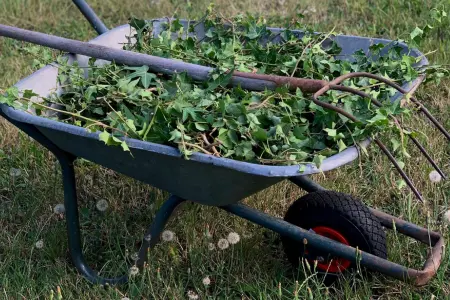
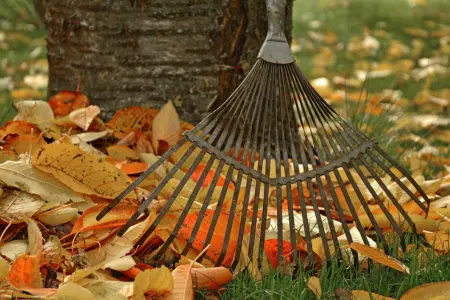
One of the simplest but most important winter lawn maintenance tasks is clearing fallen leaves, twigs and other garden debris from your grass.
During autumn, leaves can quickly accumulate on the lawn, particularly beneath trees and hedges. If left in thick, wet layers, they block sunlight and restrict airflow, potentially weakening the grass and encouraging fungal problems.
What Should You Do?
- Rake up fallen leaves regularly, especially after windy weather.
- Remove branches, dead plant material and other debris that could damage or smother the grass.
- Collect leaves for composting or use them to make leaf mould, a useful soil conditioner for the garden.
- Check areas beneath trees, along fences and around garden borders, where leaves often accumulate unnoticed.
Whenever possible, use a lawn rake rather than heavy machinery, particularly if the ground is wet or soft. This helps minimise soil compaction and unnecessary damage to the grass. For larger gardens, a leaf blower can make the job quicker, although a rake is a simple and effective alternative. Regularly removing leaves allows more light to reach the grass and reduces the build-up of damp organic material. It’s a small job that can make a noticeable difference to your lawn’s condition over winter.
Step 2: Aerate the Soil
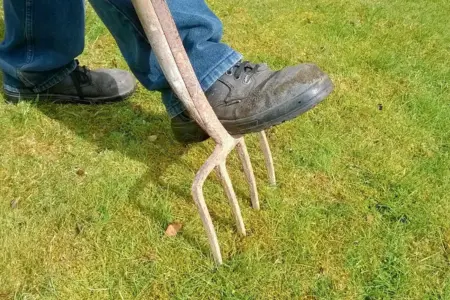
Compacted soil is a common cause of poor lawn health, particularly during the wetter months. When soil becomes compacted, air and water struggle to move through it, restricting the conditions grass roots need to grow. Aeration involves creating small holes in the soil to improve air circulation, water movement and root development. It’s particularly useful for lawns that experience heavy foot traffic or regularly develop puddles after rainfall.
How to Aerate Your Lawn
- Choose a suitable day when the soil is moist but not saturated.
- Use a garden fork to make holes across compacted areas, or use a hollow-tine aerator for more extensive problems.
- Where appropriate, brush a suitable free-draining top dressing into the holes to help improve the soil structure.
- Avoid working on frozen, very wet or waterlogged ground, as this can cause further damage.
Autumn is generally the best time to aerate an established lawn because the grass may still have enough growing time to recover before winter. However, if November arrives and your lawn is already waterlogged or the ground is too cold, postpone the work until conditions improve. Good drainage is a key part of successful winter lawn care. By addressing compaction before the worst winter weather arrives, you can help reduce standing water and create healthier conditions for your grass. For more advice, see the Royal Horticultural Society’s guide to waterlogged lawns.
Step 3: Fertilise and Apply Lawn Amendments
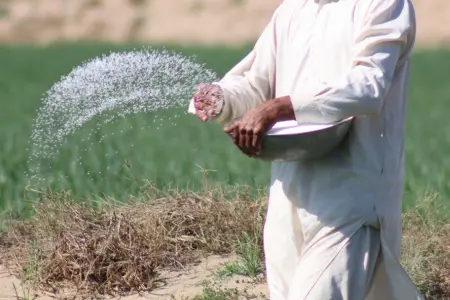
Fertilising can help prepare your lawn for winter, but choosing the right product is essential. As temperatures fall, grass growth slows and the lawn’s nutritional requirements change. An autumn lawn fertiliser is formulated to support root development and improve resilience rather than encourage excessive leafy growth.
Look for a specialist autumn lawn feed that is relatively low in nitrogen and provides appropriate levels of potassium and phosphorus. Potassium supports plant function and stress tolerance, while phosphorus contributes to root development. Always check the product label and follow the recommended application rate.
Important Lawn Fertilising Tips:
- Apply autumn fertiliser at the recommended time, ideally before sustained cold weather slows grass growth significantly.
- Choose a product specifically designed for autumn use rather than using leftover summer lawn feed.
- Avoid applying fertiliser to frozen or waterlogged ground.
- Do not overapply, as excessive nutrients can damage the lawn and increase the risk of nutrient runoff.
- If November has arrived and conditions are unsuitable, wait until the next appropriate feeding window rather than applying fertiliser simply because it’s on your winter lawn maintenance checklist.
A well-timed autumn feed can support a stronger lawn going into winter. However, feeding is not always necessary, particularly if the grass is already healthy and growing well. Remember that fertiliser cannot compensate for poor drainage, compacted soil or unsuitable mowing practices. It should form part of a broader lawn care routine.
Step 4: Seed and Overseed Bare Spots
Bare patches can develop for several reasons, including summer drought, heavy foot traffic, pet activity, disease and poor drainage. Repairing these areas helps create a thicker, more attractive lawn and reduces the opportunities for weeds to establish.
Autumn is usually a good time to overseed because the soil may still be warm enough for germination, while rainfall can help maintain moisture. However, successful overseeding depends on the temperature, soil conditions and the amount of time remaining before persistent cold weather.
How to Repair Bare Patches:
- Remove dead grass, leaves and other debris from the affected area.
- Loosen the surface of the soil and address any underlying compaction where conditions allow.
- Choose a grass seed mixture suitable for your lawn’s conditions, such as a shade-tolerant mix for areas beneath trees.
- Sow the seed according to the packet instructions and gently firm it into contact with the soil.
- Keep the area appropriately moist while the seed germinates, avoiding waterlogging.
If you’re reading this in November, don’t assume it’s too late to repair your lawn. Germination may still be possible during mild spells, but falling temperatures can make establishment less reliable. Where conditions are too cold or wet, mark the affected areas and plan to reseed in spring instead. Overseeding can improve lawn density over time, making it harder for weeds to establish. It is an important part of long-term winter lawn care, but timing is more important than completing the task at all costs.

Step 5: Mow and Edge Properly
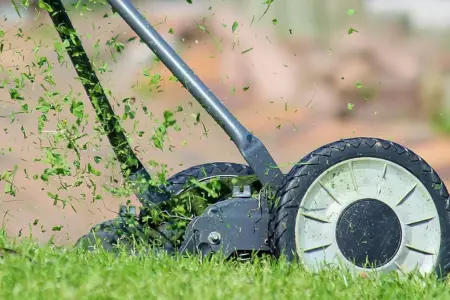
As winter approaches, grass growth usually slows, meaning mowing becomes less frequent. Nevertheless, mild weather can encourage continued growth, so your lawn may occasionally need another trim. The key is to mow only when conditions are suitable and avoid cutting the grass too short. Grass that is cut excessively short can be more vulnerable to stress, while leaving it excessively long can encourage matting and increase the risk of disease in damp conditions.
Follow These Mowing Tips:
- Raise the mower blades as growth slows and avoid removing more than one-third of the grass height in a single cut.
- Aim to maintain a suitable height for your lawn type; around 4–5 cm is a useful general guide for many domestic lawns.
- Never mow when the grass is frozen or the soil is very wet or soft.
- Avoid walking on frosty grass, as the frozen blades can be damaged underfoot.
- Keep lawn edges tidy where practical, but don’t prioritise appearance over the condition of the ground.
In a mild winter, you may need to mow occasionally. During colder periods, however, your lawn may require no mowing at all. Good mowing habits are an important part of winter lawn maintenance because they help prevent avoidable damage and leave the grass in a better condition for spring. For more detailed advice, read the RHS lawn mowing guide.

Step 6: Watering and Hydration
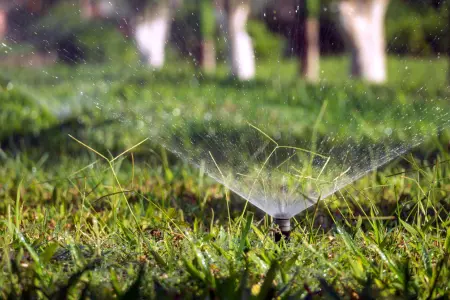
Winter lawn care in the UK is often less about adding water and more about managing the excess. Autumn and winter rainfall usually provides sufficient moisture for established lawns in many parts of the country. Additional watering is rarely necessary unless there is an unusually dry spell or a specific local need. Too much water can be just as damaging as too little. Waterlogged soil contains less air, making it harder for grass roots to function properly. Prolonged saturation can also encourage moss to grow in your lawn during winter, algae and other lawn problems.
How to Manage Winter Moisture
- Check the weather forecast before considering additional watering.
- Avoid watering established lawns when the soil is already moist or rain is expected.
- Look for persistent puddles and areas that remain saturated long after rainfall.
- Keep foot traffic to a minimum when the lawn is waterlogged.
- Consider improving drainage if the same areas repeatedly become flooded.
If you need to check soil moisture, inspect the soil beneath the grass rather than relying solely on the lawn’s appearance. A screwdriver or soil probe can help you assess how easily you can penetrate the ground, although soil type and compaction also affect the result. Where water regularly collects, investigate the underlying cause. Compacted soil, heavy clay and poor drainage can all contribute to waterlogging.
Avoid trying to solve the problem by repeatedly walking across the lawn or aerating saturated ground. Wait until conditions are suitable before carrying out remedial work. For most established lawns, sensible moisture management is more important than following a fixed watering schedule. It’s one of the most practical winter lawn maintenance measures you can take.
Step 7: Protect Against Winter Pests
Cold weather doesn’t mean you can ignore lawn problems. Moss, fungal diseases and some pests can remain active or become more noticeable during the winter months. Wet weather, poor drainage, heavy shade and excessive fertiliser use can all contribute to lawn deterioration.
What Should You Look Out For?
- Moss: Often appears in damp, shaded areas or where drainage is poor. Investigate the underlying conditions rather than simply removing the visible moss.
- Fungal diseases: Yellowing, brown patches or unusual growth may indicate a problem, although seasonal changes can also affect grass colour.
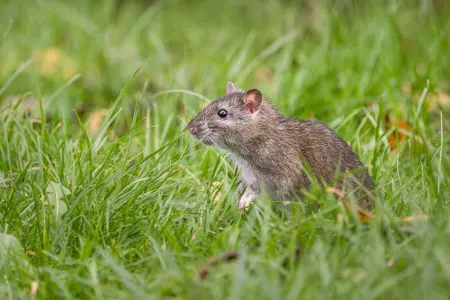
- Pests: Look for signs of animal activity, disturbed turf or unusual patches of damage. Identify the cause before considering treatment.
- Worm casts: These are a natural sign of earthworm activity and can indicate healthy soil. If necessary, brush them away once they have dried.
If you notice persistent brown patches, inspect the affected areas and consider whether waterlogging, shade, compaction or disease may be responsible. Avoid applying pesticides or other treatments without first identifying the problem. If a treatment is necessary, choose a product approved for the intended use and follow its label carefully. Healthy grass and well-maintained soil can help reduce the likelihood of lawn problems, but no lawn is completely immune to pests or disease. Monitoring your lawn throughout winter allows you to spot developing issues early and plan any necessary repairs for spring.
Additional Winter Lawn Maintenance Tips
The seven steps above cover the main priorities, but a few additional habits can make a significant difference during the colder months.
Keep Foot Traffic to a Minimum
Repeatedly walking over wet or frosty grass can damage the blades and compact the soil. If you regularly cross the lawn to reach a shed or garden gate, consider installing stepping stones to create a practical route.
Check Garden Equipment
Clean your mower, sharpen its blades where necessary and store tools in a dry place. Taking care of your equipment during quieter months means you’ll be ready when grass growth picks up again.
Make Use of Fallen Leaves
Rather than sending every leaf to landfill, consider composting suitable leaves or making leaf mould. This turns garden waste into a useful resource for future gardening projects.
Avoid Unnecessary Lawn Treatments
Winter isn’t the time to apply products simply because they’re part of your usual routine. Assess the lawn’s condition and follow seasonal guidance, particularly when it comes to fertilisers, weed treatments and pest control. These small habits make winter lawn maintenance easier while helping protect the soil, grass and wider garden environment.

Benefits of Winter Lawn Care
Taking care of your lawn during autumn and winter can provide several long-term benefits. While grass growth naturally slows during colder weather, the right winter lawn maintenance can help protect your grass, improve soil conditions and prepare your garden for a healthier start in spring.
A Better Start in Spring
Preparing your lawn for winter gives it a better chance of recovering quickly when temperatures rise and the growing season begins. Removing fallen leaves, addressing compacted soil and repairing bare patches where conditions allow can help encourage healthier grass growth. As spring arrives, your lawn may require less remedial work, allowing you to spend more time enjoying your garden.
Improved Soil Health
Healthy soil is essential for a strong, resilient lawn. Appropriate aeration can relieve compaction, allowing air, water and nutrients to move more freely through the soil and reach the grass roots. Improving drainage where necessary also helps prevent prolonged waterlogging, creating better conditions for root development and supporting the overall health of your lawn throughout the year.
Reduced Risk of Lawn Damage
Winter weather can leave your lawn vulnerable to frost, excessive rainfall and heavy foot traffic. Avoiding mowing on frosty grass, staying off waterlogged areas and removing thick layers of fallen leaves can help prevent unnecessary damage. These simple precautions also reduce the risk of creating muddy patches, compacting the soil or encouraging fungal problems during prolonged periods of damp weather.
Fewer Problems to Tackle Later
Regularly inspecting your lawn during autumn and winter allows you to identify potential problems before they become more serious. Signs of poor drainage, moss growth, bare patches and unusual discolouration can indicate underlying issues that need attention. Addressing these problems at the appropriate time can help reduce the amount of work required in spring and may prevent more extensive and costly lawn repairs later in the year.
A More Attractive Garden
Although your lawn may not look as lush during winter as it does in summer, keeping it free from thick layers of leaves, branches and other debris helps maintain a tidier outdoor space. A well-maintained lawn also complements garden borders, pathways and other landscaping features, helping your garden look cared for throughout the colder months.
Potential Long-Term Cost Savings
Investing a little time in winter lawn care can help reduce the likelihood of expensive repairs when spring arrives. Preventing avoidable damage, monitoring drainage issues and maintaining healthy growing conditions may reduce the need for extensive reseeding, turf replacement or other remedial work. Simple preventative measures can therefore save both time and money over the long term.
The most effective winter lawn care routine is not necessarily the one that involves the most work. It’s the one that focuses on the right tasks at the right time. By adapting your approach to the weather, soil conditions and the needs of your grass, you can protect your lawn throughout winter and give it the best possible foundation for healthy growth in spring.

Commonly Asked Winter Lawn Care and Maintenance Questions
If you have questions about how to protect your lawn during the colder months, you’re not alone. Our frequently asked winter lawn care questions cover everything from mowing and watering to preventing frost damage and dealing with moss. Find practical answers to help you maintain a healthy lawn throughout winter and prepare it for the arrival of spring.
Should I Mow My Lawn During Winter?
You can mow your lawn during winter if the weather is mild and the grass is still growing. However, avoid mowing when the grass is frosty, frozen or wet, as this can damage the grass and compact the soil. Raise your mower blades if necessary and only trim the lawn when conditions are suitable.
When Should I Stop Mowing My Lawn for Winter?
There is no fixed date to stop mowing, as it depends on the weather and how quickly your grass is growing. In the UK, mowing often becomes less frequent from late autumn onwards. Once temperatures fall and grass growth slows significantly, you may not need to mow again until spring.
Should I Fertilise My Lawn Before Winter?
Applying a specialist autumn lawn fertiliser can help prepare your grass for the colder months by supporting root development and overall resilience. Ideally, apply it during autumn while conditions are still suitable for grass growth. Avoid fertilising frozen or waterlogged ground, and always follow the product instructions.
Is It Better to Leave Grass Long or Short During Winter?
It’s best to avoid cutting your grass too short before winter. For many domestic lawns, a height of around 4–5 cm is a useful general guide, although the ideal height depends on your grass type and growing conditions. Keeping grass at a suitable height helps maintain its health without leaving it excessively long and prone to matting.

Should I Water My Lawn During Winter?
Established lawns in the UK generally receive enough moisture from winter rainfall and rarely need additional watering. However, during an unusually dry spell, you may need to check soil moisture and water if necessary. Avoid watering when the ground is already saturated, frozen or waterlogged.
Can I Aerate My Lawn During Winter?
Aeration is usually best carried out in autumn or spring when the soil is moist but not saturated and the grass can recover. If the ground is frozen, waterlogged or very wet, postpone aeration until conditions improve. Working on unsuitable soil can cause further compaction and damage.
Is It Safe to Walk on Frosty Grass?
It’s best to avoid walking on frosty grass wherever possible. Frozen grass blades can become damaged underfoot, potentially leaving brown or blackened marks when the frost thaws. Repeated foot traffic on wet winter soil can also cause compaction and muddy patches. Use garden paths or stepping stones when available.
How Do I Prevent Moss Growing in My Lawn During Winter?
Moss often thrives in damp, shady areas where grass struggles to grow. To reduce its spread, address underlying issues such as poor drainage, soil compaction and excessive shade. Remove fallen leaves regularly and maintain suitable mowing heights. If moss is already established, consider treating it at an appropriate time and improving conditions to encourage stronger grass growth.

What Should I Do if My Lawn Becomes Waterlogged?
If your lawn becomes waterlogged, minimise foot traffic and avoid mowing or carrying out maintenance that could compact the soil further. Check whether water is collecting in particular areas and investigate possible drainage problems. Once the ground is no longer saturated, suitable aeration or other drainage improvements may help. Persistent waterlogging may require professional advice.
When Should I Start Preparing My Lawn for Winter?
Ideally, begin preparing your lawn in early autumn, when the grass may still be growing actively and conditions are suitable for maintenance. Tasks such as removing leaves, aerating compacted soil, applying autumn fertiliser and overseeding bare patches are often best completed before temperatures drop significantly. In November, focus on essential maintenance and postpone jobs if the ground is too cold or wet.
Can I Repair Bare Patches in My Lawn During Winter?
Repairing bare patches depends on the temperature, soil conditions and the amount of time available for grass seed to germinate and establish. Early autumn is generally more reliable for overseeding in the UK. If November conditions remain mild, some repairs may still be possible, but cold weather and saturated soil can reduce success. If conditions are unsuitable, wait until spring.
How Often Should I Carry Out Winter Lawn Maintenance?
Check your lawn regularly throughout autumn and winter, particularly after heavy rainfall, strong winds or periods of frost. Remove fallen leaves when necessary, monitor drainage and look for signs of damage or disease. Most lawns require less attention during winter than in spring and summer, so concentrate on essential tasks rather than following a rigid maintenance schedule.
By following these winter lawn care tips and adapting your routine to the weather, you can help protect your grass during the colder months and prepare your lawn for healthier growth when spring arrives.
Conclusion
Looking after your lawn in the colder months doesn’t need to be complicated. By removing fallen leaves, improving drainage where necessary, choosing suitable fertiliser, repairing bare patches at the right time and mowing carefully, you can help your grass withstand the challenges of winter.
The most important thing is to work with the weather rather than against it. If the ground is frozen, waterlogged or too cold for grass to recover, postpone demanding maintenance tasks until conditions improve.
Consistent winter lawn care can help protect your lawn from avoidable damage and make spring maintenance more manageable. With a little planning and regular observation, your garden will be better prepared for the growing season ahead.
Whether you’re maintaining a small family lawn or a larger garden, a sensible approach to winter lawn maintenance can make a real difference to the health, appearance and resilience of your grass.
Start with the essentials, monitor your lawn as the weather changes, and give it the care it needs to emerge from winter in the best possible condition.
References
Further Reading
What should I do to my lawn in January?
Top Lawn Alternatives You’ll Love
Winter Gardening Myths Debunked
Winter Perennial Protection: Shielding your Garden from the Cold