
Introduction
January isn’t the month most people think about lawn care, but it should be. While your garden sits quietly under crisp frosts and cold spells, your lawn is still very much alive beneath the surface.
What you do or don’t do now plays a major role in how healthy, resilient, and attractive your grass will be for the rest of the year. Winter lawn care doesn’t need to be labour-intensive; it just needs to be thoughtful. With the right approach, you can ensure your lawn wakes up in spring ready to thrive.

Why Keeping Your Lawn Well-Kept in January Matters
A lawn left neglected throughout January quickly shows the effects come spring. Soil compaction worsens as people walk across frozen or waterlogged ground, damaging fragile grass roots
Allowing debris, leaves, and fallen branches to sit on the lawn can create damp, rot-prone patches that encourage fungal problems like snow mould. Frost damage is intensified when the grass is stressed, thin, or smothered.
Ultimately, a lawn ignored in winter often leads to a patchy, uneven, pale, and disease-susceptible lawn when temperatures rise. By contrast, a little care now protects root systems, prevents waterlogging, and helps the grass conserve energy, setting the stage for vigorous regrowth when spring arrives.
Types of Lawns
Here are some of the common types of lawns people have:
- Fine ornamental lawns
- Hard-wearing family lawns
- Shady lawns
- Wildflower or meadow-style lawns
- Mixed turf lawns

Fine Ornamental Lawns
Fine ornamental lawns, often created using fescues and bents, are known for their velvety texture and manicured appearance. Their benefit lies in their elegance and pristine finish, making them ideal for formal gardens or golf courses. However, they are less tolerant of foot traffic and can be easily damaged in winter.
During January, these lawns should be kept completely clear of debris, and walking on them when frost is present should be avoided entirely. Light raking on milder days helps prevent disease, and ensuring the soil doesn’t become waterlogged will protect their delicate root systems.

Hard-Wearing Family Lawns
Hard-wearing lawns made from ryegrass blends are durable and designed to withstand children, pets, and general daily use. Their biggest advantage is their resilience, but the downside is that they can become compacted more quickly, especially in wet winter conditions.
In January, avoid unnecessary foot traffic, particularly after frost or heavy rain. Check for puddling or compacted patches and brush away leaves to allow airflow. If conditions are mild enough, you can top-up bare areas with a light sprinkling of seed, although germination will be slow.

Shady Lawns
Shady lawns, typically grown with fescues or specially selected shade-tolerant varieties, thrive where sunlight is limited. Their benefit is that they bring greenery to areas where many grasses struggle. However, in winter, they are more vulnerable to thinning and moss invasion because low light levels are even more extreme.
During January, ensure shaded lawns are kept leaf-free and gently aerate the surface with a fork on drier days to help reduce moisture build-up. Avoid heavy pruning of surrounding trees until later in winter or early spring, when the lawn is ready to respond positively to increased light.
Wildflower or Meadow-Style Lawns
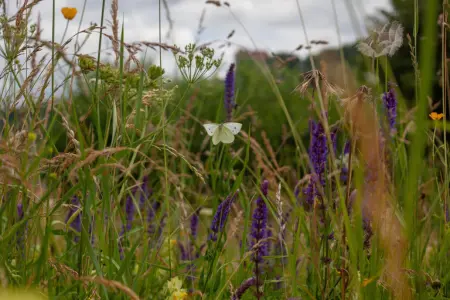
Wildflower lawns support biodiversity and require far less mowing, making them a beautiful and eco-friendly choice. Their benefit lies in the rich habitat they offer wildlife and the seasonal colour they bring. Their downside is that they can look less tidy during winter, and people sometimes misinterpret this as neglect.
In January, wildflower lawns should simply be left to rest. Avoid cutting unless you are following a management plan that involves winter mowing. Remove fallen leaves in patches where they accumulate too thickly, and check for waterlogging around perennial clumps.
Mixed Turf Lawns
Mixed turf lawns combine fine grasses with more robust varieties, offering a good balance of appearance and resilience. Their benefit is versatility, but because the grass types behave differently in winter, some areas may thin faster than others.
During January, keep debris off the lawn and resist the urge to mow unless temperatures are unusually mild and the grass is visibly growing. Monitor for moss in shaded sections and avoid walking across frosty areas to prevent bruising or uneven growth.

Lawn Alternatives and Ways to Enhance Your Lawn Space
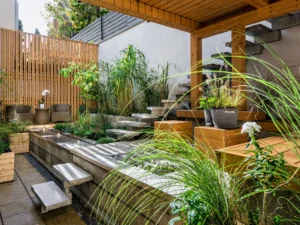
If you’re looking to elevate your garden beyond a traditional lawn, January is an excellent time to plan changes. Cutting sections out of your lawn for planting beds can add structure, soften the space, and allow for seasonal explosions of colour.
Creating formal seating areas, such as gravel pads with benches or built-in pergola spaces, can transform parts of your lawn into functional outdoor rooms. You might also consider adding stepping-stone paths or a boardwalk to reduce foot traffic on the grass.
Incorporating small wildlife zones, such as a mini meadow patch or a log pile, brings ecological benefits. For those wanting a more architectural garden, raised planters inset into the lawn can create focal points, while curved planting islands add movement and visual interest.

The Role of Soil Health in Winter
While the lawn may appear dormant in January, the soil beneath it remains active and its condition plays a fundamental role in how well your grass will recover in spring. Winter soil health is all about balance: retaining enough moisture to support microbial life while avoiding waterlogging that can suffocate roots.
Healthy soil structure allows air to circulate, enabling beneficial organisms such as earthworms and microbes to continue breaking down organic matter even in colder temperatures. This process enriches the soil, slowly releasing nutrients back to the grass when growth resumes.
Compacted or poorly draining soil, however, becomes a silent problem during winter. When freezing temperatures arrive, compacted soil expands and contracts more aggressively, putting stress on the grass roots above it.
Waterlogged areas create anaerobic conditions, encouraging moss, fungal diseases, and root rot. By contrast, a well-aerated, nutrient-rich soil offers insulation, supports deep root systems, and helps the lawn resist frost damage.
Can I Cut My Lawn in January in the UK?
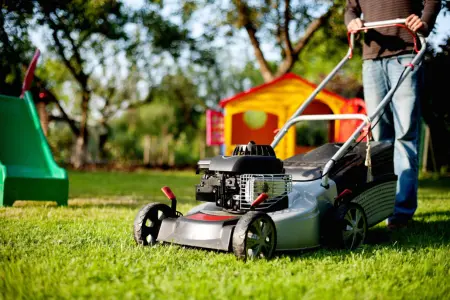
In most cases, you shouldn’t cut your lawn in January in the UK, but there are a few exceptions. January is typically one of the coldest, wettest months of the year, and grass growth slows almost to a halt. Mowing during this time can cause more harm than good, especially if the ground is frozen, frosty, or waterlogged.
Cutting under these conditions bruises the grass blades, compacts the soil, and increases the risk of disease, all of which will set your lawn back as it heads into spring. However, mild winters are becoming more common, and in some regions the temperature may occasionally rise enough for grass to experience a small burst of growth.
If the grass is dry, the ground is firm, and temperatures are consistently above 5°C, you can give it a very light trim to tidy up straggly blades. The golden rule is simple: if in doubt, don’t cut. Most lawns benefit more from being left alone in January than from being trimmed.
Can I Aerate My Lawn in January?
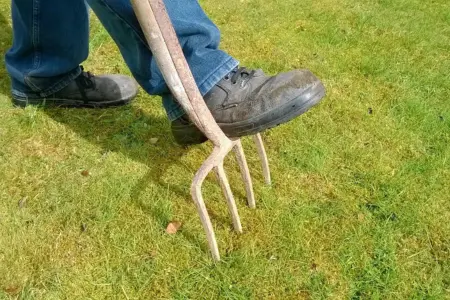
Aerating your lawn in January is generally not recommended in the UK because the ground is often too cold, wet, or frozen for the process to be effective or safe for the grass. Aeration requires the soil to be soft enough for tines to penetrate without tearing the turf, but firm enough to maintain structure, and winter rarely provides these conditions.
Carrying out aeration when the soil is saturated can worsen compaction by smearing the sides of the holes, while aerating frozen or frosty ground can cause the grass roots to snap, leading to long-term damage.
The only exception is during an unusually mild, dry spell when the soil is workable and temperatures remain consistently above freezing; in this case, very light aeration with a garden fork in high-traffic, compacted areas may help drainage. For most lawns, though, it’s far better to wait until late winter or early spring, when the soil is more responsive and the grass is ready to repair itself.
Can I Just Put Topsoil Over Grass and Reseed?
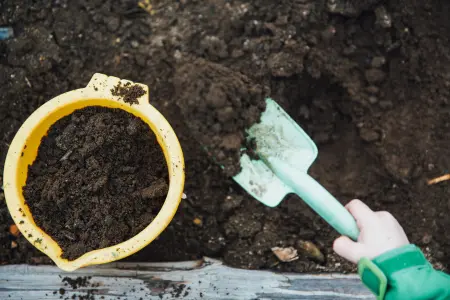
You can put topsoil over existing grass and reseed, but the process needs to be done correctly to get good results. Simply dumping a thick layer of soil on top of your lawn will smother the existing grass and can lead to uneven settling, poor germination, and patchy growth.
Instead, a light topdressing of no more than 1 to 2 centimetres of good-quality topsoil or compost can help level minor dips, improve soil structure, and create an ideal surface for overseeding. Before applying the topsoil, mow the grass short (when conditions allow) and rake away debris to expose the soil beneath. After spreading the topsoil evenly, gently rake it so the tops of the existing grass blades are still visible.
Then apply seed suited to your lawn type and lightly press it in. This approach encourages new seed to germinate while allowing the underlying lawn to grow through, creating a thicker, healthier sward. For major lawn renovation or if the grass is in poor condition, removing the old turf or scarifying heavily may be a better option than simply topdressing.
Can You Fertilise Your Grass in January?
Fertilising your grass in January is generally not advised in the UK because the lawn is largely dormant and unable to utilise the nutrients effectively. Winter fertilisers, particularly those high in nitrogen, can stimulate soft, weak growth that is highly vulnerable to frost damage and disease.
In cold, wet conditions, most of the nutrients simply leach away into the soil before the grass can absorb them, wasting product and potentially affecting local waterways. The only exception is if you’re using a specialist winter or autumn fertiliser high in potassium and low in nitrogen and even then, this is usually applied in late autumn rather than mid-winter.
January lawn care is best focused on prevention rather than feeding: keep the lawn clear of debris, manage moss if safe to do so, and avoid excessive foot traffic. Save fertilising for early spring, when temperatures warm up and the grass begins to grow again, making it ready to benefit from a balanced feed.

The Importance of Proper Drainage and How to Improve It
Good drainage is essential for a healthy lawn, especially during winter when heavy rain and low temperatures can leave the soil waterlogged for long periods. Poorly drained lawns suffer from compacted soil, weakened roots, increased moss growth, and a higher risk of fungal diseases, all of which make it harder for the grass to bounce back in spring.
Improving drainage starts with understanding the cause. Compaction, heavy clay soil, or low-lying areas can all contribute. Light aeration during suitable weather can help relieve compaction, while applying a thin layer of sharp sand mixed with compost encourages better soil structure over time.
Creating shallow channels or French drains in persistently wet areas can help redirect excess water, and raising the height of nearby borders prevents soil from washing onto the lawn. Even simple steps like avoiding foot traffic when the ground is saturated can protect the soil and stop drainage issues from worsening.
Further Reading
Top Lawn Alternatives You’ll Love
Winter Gardening Myths Debunked
Winter Perennial Protection: Shielding your Garden from the Cold